
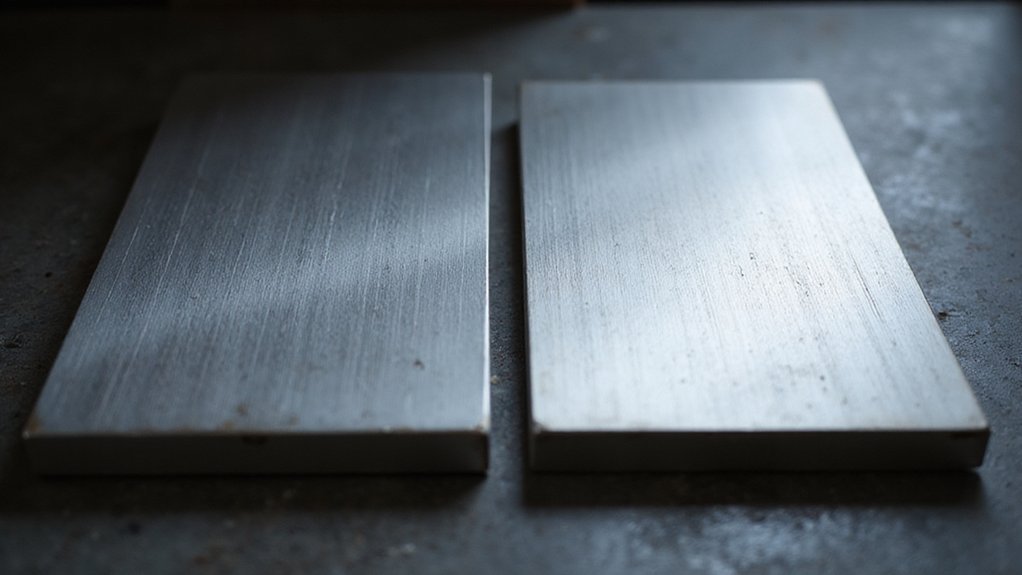
When you’re choosing between steel and aluminum for your home’s siding, you’re facing a decision that affects your wallet, your maintenance schedule, and how well your house withstands weather. Each material brings distinct advantages: steel delivers raw strength, while aluminum resists corrosion naturally. But which one truly fits your situation? The answer depends on your climate, budget, and long-term priorities.
Steel vs Aluminum: Side-by-Side Comparison
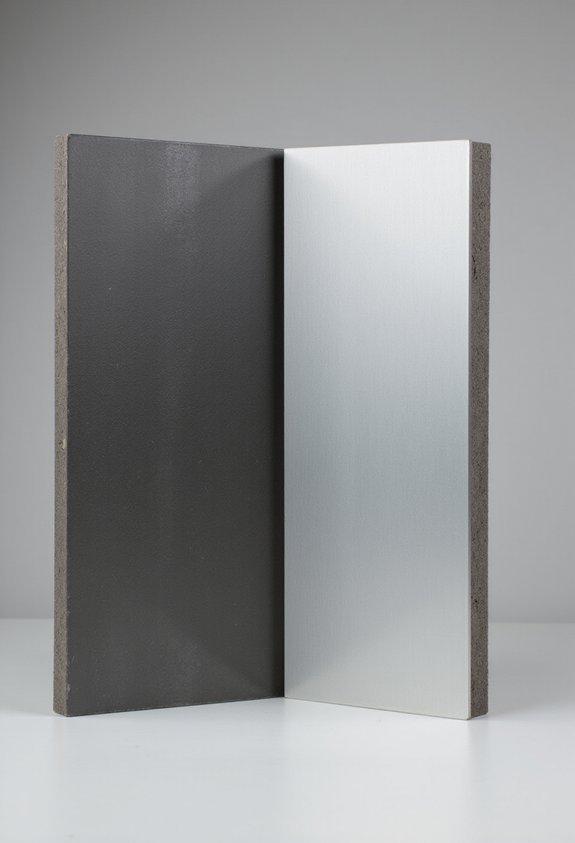
When you’re deciding between steel and aluminum for metal siding panels, understanding how these two materials compare across key characteristics will help you make the right choice for your home or building project. Steel offers superior strength and durability, resisting dents and impacts better than aluminum, though it’s heavier and requires more maintenance to prevent rust. Aluminum, conversely, weighs considerably less, making installation easier and faster, while naturally resisting corrosion without additional protective coatings. Steel provides better insulation properties and longevity when properly maintained, typically lasting 40-50 years. Aluminum generally costs less upfront but may need replacement sooner, lasting 20-30 years. Your choice depends on budget considerations, climate conditions, maintenance commitment, and structural requirements of your specific project.
Climate Performance: Which Material Wins in Your Region?
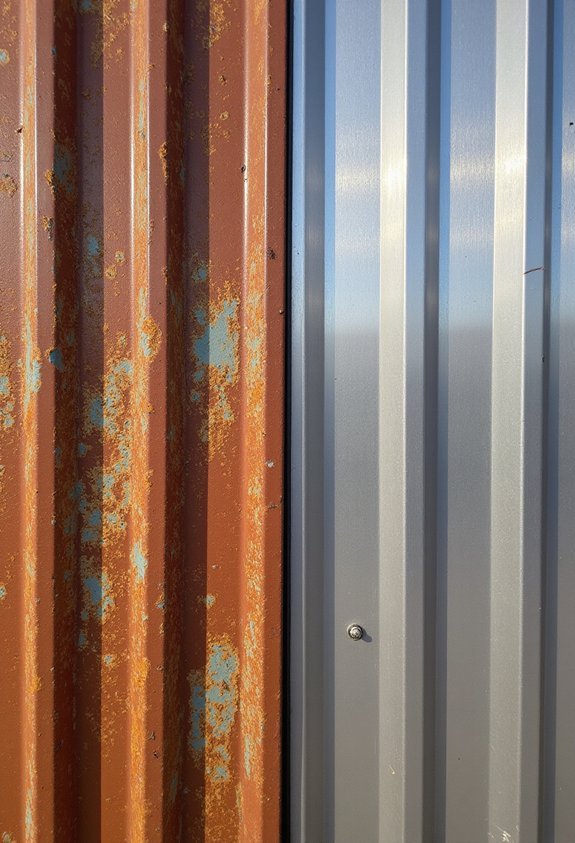
How does your region’s climate affect which metal siding material will perform better over time? Steel siding excels in areas with moderate climates where temperature fluctuations won’t cause excessive expansion and contraction, which can weaken fasteners and seams. Aluminum performs exceptionally well in coastal regions because it naturally resists saltwater corrosion, while steel requires protective coatings that deteriorate faster near ocean environments. If you live in humid climates with frequent temperature changes, aluminum’s superior corrosion resistance makes it the more practical choice. Conversely, steel’s strength advantage benefits regions prone to severe weather, including hail and high winds, since it withstands impact damage better than aluminum’s softer surface. Evaluate your local weather patterns carefully before deciding which material best suits your specific climate conditions.
Budget Breakdown: Steel vs Aluminum Pricing Compared
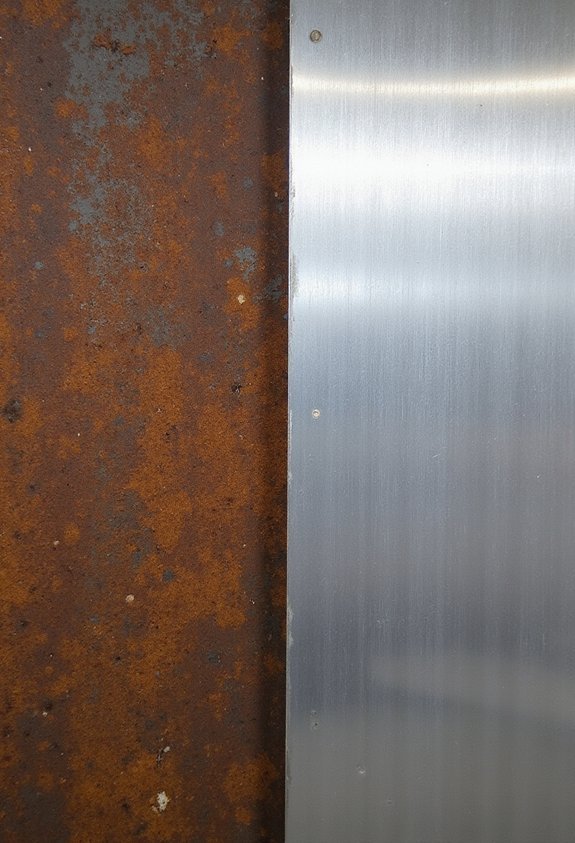
Because you’re making a significant investment in your home’s exterior, understanding the actual costs of steel versus aluminum siding is essential to making an informed decision. Steel siding typically costs more upfront, ranging from $10 to $20 per square foot installed, due to its manufacturing complexity and durability features. Aluminum siding generally runs $8 to $15 per square foot, making it the more budget-friendly initial option. However, you’ll want to factor in long-term maintenance costs, as steel requires periodic repainting to prevent rust, adding expenses over time. Aluminum resists corrosion naturally, reducing maintenance demands and costs. When you calculate both installation and maintenance expenses across 20 to 30 years, the overall investment may balance differently than initial pricing suggests.
Strength and Durability: Which Material Lasts Longer?
While both steel and aluminum offer solid durability for siding applications, they perform differently under various environmental conditions and over extended periods. Steel siding typically lasts 40 to 50 years when properly maintained, offering superior strength and dent resistance that makes it ideal for regions experiencing harsh weather. However, steel’s vulnerability to rust requires regular maintenance, including protective coatings and inspections. Aluminum siding, conversely, naturally resists corrosion and generally requires less upkeep, lasting 30 to 40 years. Its lighter weight makes installation easier but reduces its impact resistance compared to steel. When you’re deciding between these materials, consider your climate’s moisture levels, maintenance capacity, and whether superior strength or corrosion resistance aligns better with your home’s specific needs and location.
Steel vs Aluminum: Rust and Corrosion Risk Compared
One of the most substantial differences between steel and aluminum siding lies in how each material responds to moisture and oxidation, which fundamentally affects your long-term maintenance requirements and overall cost of ownership. Steel’s primary vulnerability is rust, which occurs when iron in the material reacts with oxygen and water, creating a destructive oxide that compromises structural integrity. You’ll need protective coatings and regular maintenance to prevent rust formation. Aluminum, conversely, naturally develops a thin oxide layer when exposed to air, which actually protects the underlying metal from further corrosion. This self-protecting characteristic means you’ll encounter considerably fewer rust problems with aluminum. However, aluminum can experience corrosion in certain acidic or salty environments, particularly near coastal areas where salt spray accelerates degradation. Your choice depends on your climate and maintenance commitment.
Weight, Installation, and Labor Cost Implications
When you’re evaluating which siding material to install on your home, the physical characteristics of steel and aluminum profoundly impact both the installation process and the expenses you’ll incur. Aluminum siding weighs considerably less than steel, making it easier for installers to handle, position, and secure during application. This lighter weight reduces the physical demand on workers, which typically translates to lower labor costs and faster installation timelines. Steel siding, being substantially heavier, requires more workers or specialized equipment to install properly, increasing your overall labor expenses. Additionally, aluminum’s lighter nature means your home’s structural support system won’t bear as much stress. When choosing between these materials, consider how weight differences directly affect your installation budget and project duration.
Dent Resistance: Which Material Handles Severe Weather Better?
Because aluminum’s naturally softer composition makes it more susceptible to denting from hail, falling debris, and severe wind-driven impacts, you’ll want to understand how this material performs during extreme weather events compared to steel’s superior durability. Steel siding resists denting considerably better due to its harder, denser structure, making it ideal if you’re located in regions prone to hail or severe storms. Aluminum, while lighter and easier to install, dents more readily when struck by large hail stones or heavy branches. However, you should know that aluminum’s dents typically don’t compromise the material’s structural integrity or weather resistance. Steel requires more maintenance to prevent rust, whereas aluminum naturally resists corrosion, making each material’s performance dependent on your specific climate conditions and weather patterns.
Steel vs Aluminum: Long-Term Maintenance Costs
While both steel and aluminum siding panels offer distinct advantages, their maintenance expenses differ greatly over time, and understanding these costs will help you make a financially sound decision for your home. Steel siding typically requires more frequent maintenance because it’s susceptible to rust and corrosion, especially in humid or coastal climates, which means you’ll spend more on protective coatings and repairs. Aluminum, however, resists corrosion naturally, reducing your long-term upkeep expenses considerably. You won’t need to apply rust-prevention treatments as often with aluminum panels. Steel’s durability means fewer replacements, but its maintenance demands offset those savings. Aluminum’s lower maintenance needs make it more economical over decades, particularly if you’re prioritizing reduced ongoing expenses and minimal repair interventions throughout your home’s lifespan.
Design Choices: Colors, Finishes, and Custom Looks
Beyond the practical considerations of maintenance and durability, your choice between steel and aluminum siding panels also involves aesthetic decisions that’ll shape your home’s appearance for years to come. Steel panels typically offer a more limited color palette, though manufacturers have expanded options in recent years, while aluminum siding provides vastly more color choices and finish varieties. You’ll find that aluminum accepts paint and coatings more readily, allowing for easier customization if you want to refresh your home’s look later. Steel panels, conversely, can develop a distinctive patina over time, which some homeowners prefer for a rustic aesthetic. Both materials support textured finishes that mimic wood or stone appearances, enabling you to achieve various design styles while maintaining metal siding’s durability and performance benefits.
Total Cost of Ownership: Your Complete Price Guide
When you’re deciding between steel and aluminum siding panels, the upfront material cost isn’t the only expense you’ll need to ponder, because the true financial picture involves calculating what you’ll spend over many years of ownership. Steel panels typically cost less initially but require more frequent maintenance, including painting and rust prevention treatments that accumulate over time. Aluminum panels demand a higher upfront investment yet need minimal maintenance since they’re naturally rust-resistant. You’ll also consider energy efficiency improvements, warranty coverage, and potential repair costs. Steel may need repainting every five to ten years, while aluminum’s longevity reduces these recurring expenses. By analyzing your total spending across installation, maintenance, repairs, and replacements over twenty years, you’ll identify which material offers genuine long-term value for your specific situation and budget constraints.
Conclusion
You’ll find that choosing between steel and aluminum siding requires weighing your region’s climate, maintenance capacity, and budget carefully. Steel gives you superior strength for harsh weather, but you’ll need regular upkeep to prevent rust. Aluminum resists corrosion naturally and costs less to install, making it ideal for coastal homes. As the saying goes, “an ounce of prevention is worth a pound of cure”—selecting the right material upfront saves you money and headaches down the road.