
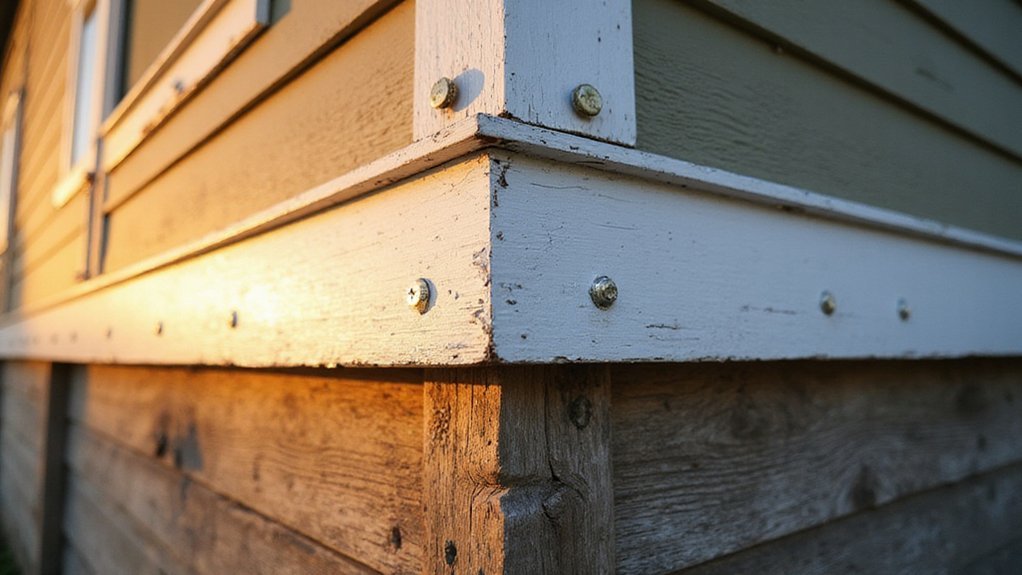
Installing metal siding over existing materials is like building a new house on a cracked foundation—it might look fine on the surface, but hidden problems underneath can cause significant issues later. You can install metal panels directly over your current siding, yet this approach requires careful evaluation of what’s already there. Before you proceed, you’ll need to understand the conditions, codes, and potential complications that determine whether this shortcut truly works for your home.
The Short Answer: Yes, But With Important Caveats
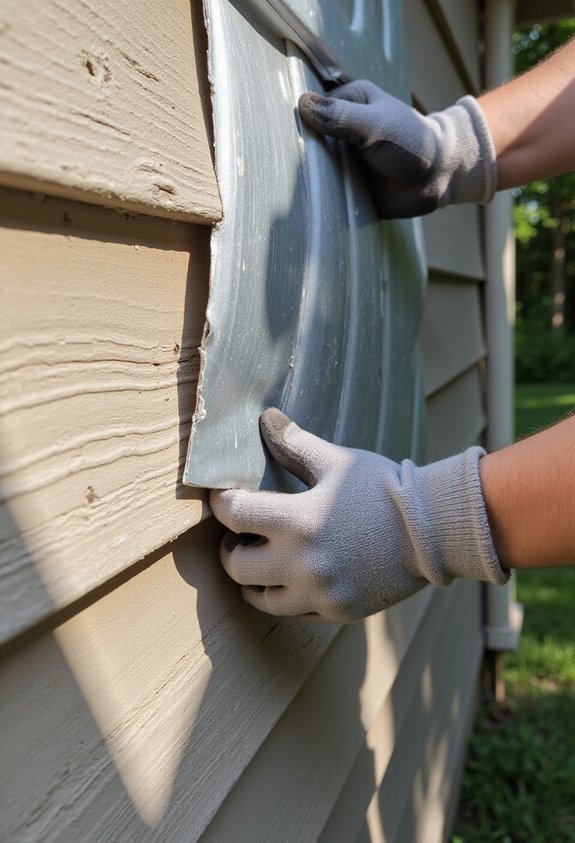
You can install metal siding panels directly over your existing siding, and many homeowners choose this approach because it’s faster and cheaper than removing old materials first, but you’ll need to understand several critical conditions that’ll determine whether this method works for your specific situation. The existing siding must be structurally sound, meaning it can’t be rotting, severely damaged, or deteriorating, because installing metal panels over weak material will trap moisture and create serious problems underneath. You’ll also need a properly prepared surface that’s clean and relatively flat, along with adequate wall framing to support the additional weight. Finally, local building codes might require permits or specific installation methods, so checking with your local building department before starting becomes essential for ensuring your project meets all regulations and safety standards.
Assess Your Existing Siding’s Condition First
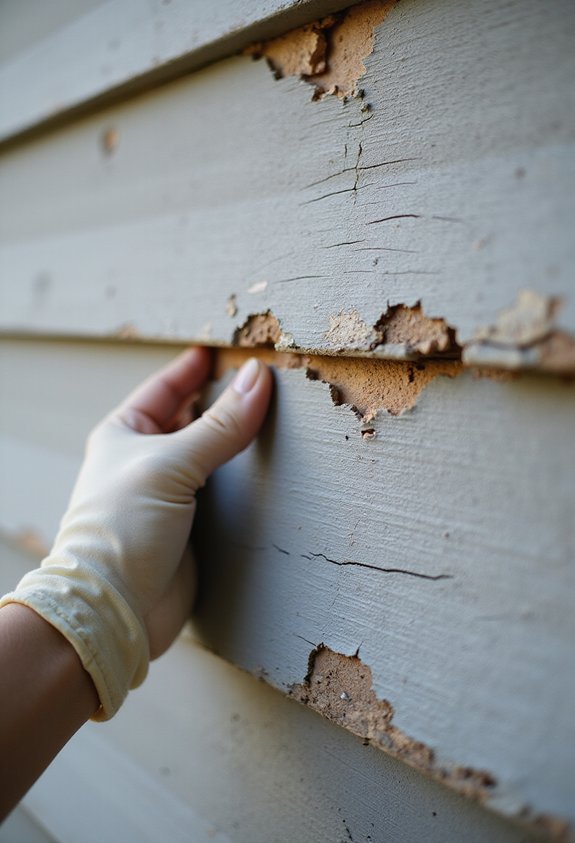
Before you commit to installing metal panels over your current siding, it’s crucial that you thoroughly inspect the existing material for signs of damage, decay, or structural weakness. Look carefully for rotting wood, moisture damage, mold, or pest infestations that could compromise your new installation’s integrity. Check whether your current siding sits flat and secure against the house, as any warping or separation will transfer problems to your metal panels. Pay special attention to areas around windows, doors, and corners where water typically penetrates. If you discover significant damage, you’ll need to remove and replace the compromised sections before proceeding. Addressing these issues upfront prevents costly complications later and guarantees your metal siding performs ideally for years to come.
Know Local Codes for Installing Metal Siding Over Existing
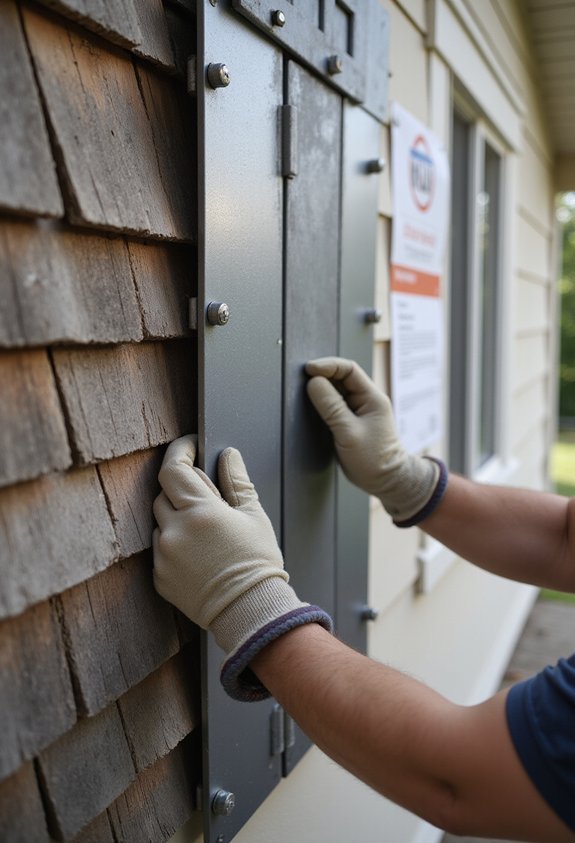
Local building codes and regulations will determine whether you’re allowed to install metal siding panels directly over your existing siding, and comprehending these requirements before commencing your project’ll save you from costly mistakes or having to redo your work. You’ll need to contact your local building department to learn specific regulations in your area, as codes vary substantially by location and municipality. Some jurisdictions require you to remove old siding entirely, while others permit installation over existing materials under certain conditions. Building inspectors’ll want to verify that your home can support the additional weight and that proper ventilation exists behind the new panels. Obtaining necessary permits before beginning work guarantees your project meets all safety standards and helps you avoid potential fines or complications when selling your home.
Moisture Issues When Installing Over Existing Siding
One of the most critical challenges when installing metal siding panels over existing siding is managing moisture that can get trapped between the layers, which can lead to serious damage if you don’t address it properly. You’ll need to install a moisture barrier, typically a breathable underlayment, between the old siding and new metal panels to allow any trapped moisture to escape. Without this protection, you risk wood rot, mold growth, and structural deterioration that’ll cost you considerably in repairs. You should also guarantee proper ventilation behind the metal panels by leaving adequate gaps at the top and bottom, which allows air circulation and helps evaporate any moisture that accumulates. Taking these precautions prevents costly damage and extends your siding’s lifespan tremendously.
Best Existing Materials to Install Over
Not all existing siding materials work equally well as a foundation for metal panel installation, and you’ll want to understand which ones’ll give you the best results before you start your project. Wood siding, vinyl, and fiber cement are your best options because they provide solid, stable surfaces for attachment, though you’ll need to inspect them thoroughly for rot and damage first. Aluminum siding works well too, since it’s already metal and offers good structural support. Brick and masonry aren’t ideal choices because they require special fastening techniques and create uneven surfaces. Stucco presents significant challenges due to its brittle nature and tendency to crack. Avoid installing over damaged materials entirely, as underlying problems will worsen over time and compromise your new metal panels’ integrity and longevity.
Materials You Should Never Cover Without Removal
While some existing materials provide acceptable foundations for metal panel installation, certain siding types’ll create serious problems if you don’t remove them first. You should never install metal panels over asbestos siding, which poses significant health risks when disturbed, requiring professional abatement instead. Similarly, avoid covering rotted or damaged wood siding, as trapped moisture’ll accelerate decay and compromise your home’s structural integrity. Vinyl siding presents installation challenges because its smooth surface prevents proper fastening and adhesion. Stucco and brick also prove problematic, offering uneven surfaces that prevent secure panel attachment. Loose or peeling paint creates gaps between materials, allowing water infiltration. Always inspect existing siding thoroughly, addressing any damage, deterioration, or hazardous materials before proceeding with metal panel installation.
Step-by-Step Installation Process Over Existing Siding
Installing metal siding panels over acceptable existing materials requires careful preparation and a systematic approach to verify a successful, long-lasting installation. First, you’ll inspect and clean your existing siding thoroughly, removing dirt, debris, and loose sections that could compromise adhesion. Next, you’ll measure your walls carefully and plan your layout, confirming panels align properly for a professional appearance. You’ll then install furring strips or battens horizontally across your existing siding, creating a level surface and allowing for proper ventilation underneath. After securing these strips with appropriate fasteners, you’ll begin installing metal panels from bottom to top, overlapping each row slightly and fastening according to manufacturer specifications. Finally, you’ll seal all joints and edges with weatherproof caulk to prevent moisture infiltration and validate your installation remains durable for years.
Does Installing Over Existing Siding Really Save Money?
Many homeowners consider installing metal siding panels over their existing materials because they believe it’ll reduce overall project costs, and in some cases, this assumption proves accurate. You’ll save money on labor expenses since removal and disposal of old siding won’t be necessary, which represents a significant portion of total installation costs. However, you must carefully evaluate your existing siding’s condition first, as hidden damage beneath the surface can create expensive complications later. If you discover rot, moisture problems, or structural issues during inspection, you’ll need costly repairs before installation proceeds. Additionally, you may still require new underlayment, flashing, or fastening systems to guarantee proper installation and longevity. When you weigh these factors thoroughly, the actual savings might be smaller than initially anticipated, requiring detailed cost comparisons before deciding whether covering existing siding genuinely benefits your specific situation financially.
Overlay vs. Removal: What Actually Saves You Money and Headaches
When you’re deciding between overlaying new metal siding over existing materials or removing everything first, you’ll find that the financial comparison isn’t straightforward because both approaches carry distinct advantages and hidden costs that affect your final expense. Overlaying typically costs less upfront since you’re avoiding demolition and disposal fees, which can range considerably depending on your home’s size and local regulations. However, removal allows you to inspect and repair underlying damage before installation, potentially preventing expensive problems later. If your existing siding has structural issues, rot, or pest damage, removal becomes the wiser investment despite higher initial costs, because overlaying masks problems that’ll worsen over time and eventually require complete remediation anyway.
When to Bring in a Pro Before You Start
Before you pick up a hammer or order materials, you’ll want to assess whether your project needs professional evaluation, because hiring an inspector or contractor early can save you from costly mistakes that might’ve been prevented with expert guidance. Consider calling a professional if you notice structural damage, significant moisture problems, or uneven wall surfaces beneath your existing siding. You should also get expert input if you’re unsure about your home’s framing condition, local building codes, or whether your walls can support additional weight. A contractor can identify hidden issues like rot, mold, or pest damage that aren’t immediately visible, and they’ll verify your installation meets all safety requirements and warranty specifications.
Conclusion
You can install metal siding over existing materials, but you’re not home free until you’ve checked for hidden damage, verified local building codes, and confirmed proper moisture management. Overlaying siding saves money initially, yet removing deteriorated materials often prevents costlier repairs down the road. Hiring a professional inspector guarantees you’re making a decision based on your home’s actual condition, not assumptions, ultimately protecting your investment and structural integrity.