
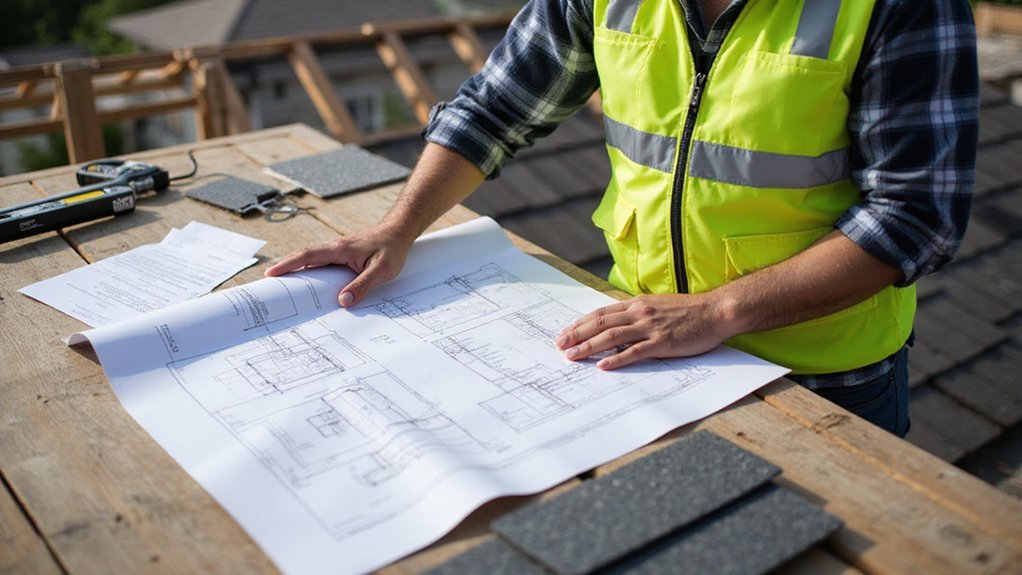
It’s curious how many homeowners wait until a leak appears before seeking a contractor, yet this urgency often leads to poor decisions. Selecting the right roofing professional requires you to verify licenses and insurance, compare multiple quotes, and check references thoroughly. You’ll want to understand warranty terms, confirm experience with your roof type, and watch for pressure tactics. But there’s a critical step most people overlook—one that protects your investment completely.
Verify Licenses, Insurance, and Credentials
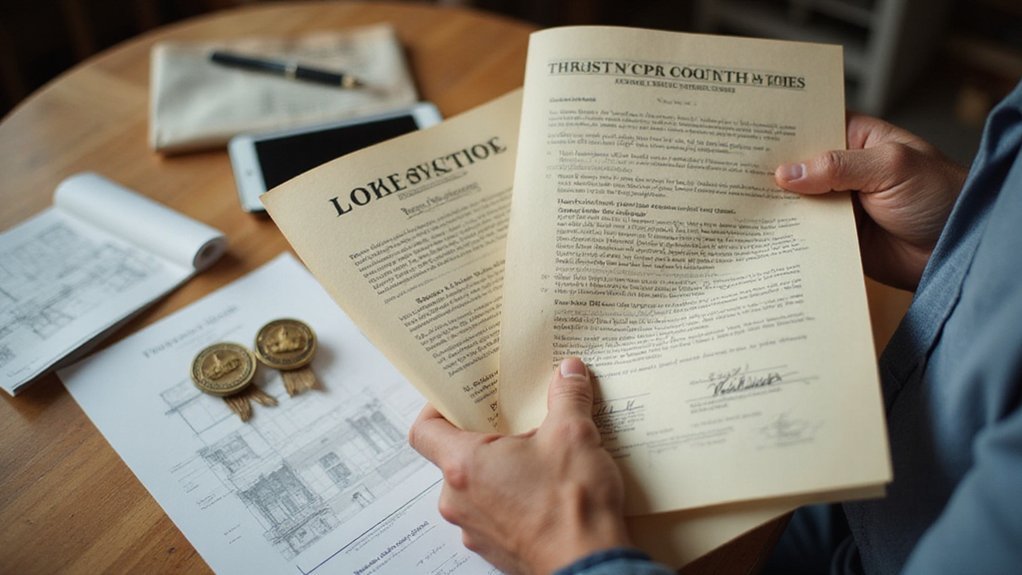
Before you hire a roofing contractor, you’ll want to confirm that they’re properly licensed, insured, and qualified to do the work, because these credentials protect you from liability and guarantee that the contractor meets your state’s professional standards. Start by asking for their license number and verify it through your state’s licensing board website. Request proof of general liability insurance and workers’ compensation coverage, which shield you from financial responsibility if accidents occur on your property. Don’t hesitate to contact their insurance provider directly to validate active policies. Additionally, ask for references from previous clients and check online reviews. Verify any certifications with manufacturers or trade organizations, as these demonstrate specialized training and expertise. Taking these verification steps ascertains you’re hiring a qualified, trustworthy professional.
Compare Quotes From at Least Three Roofing Contractors
Getting multiple quotes from different roofing contractors is one of the most important steps in making an informed decision, because it allows you to compare prices, materials, and services so you’re not overpaying for your roof repair or replacement. When you request quotes, you’ll receive detailed estimates that break down labor costs, material expenses, and project timelines, giving you a thorough view of what each contractor offers. You should aim for at least three quotes to identify pricing patterns and spot any unusually high or suspiciously low bids. Make sure each quote includes the same scope of work, roofing materials, warranty information, and project duration, so you’re comparing apples to apples and can confidently select the contractor offering the best overall value for your specific roofing needs.
Check References and Review Past Jobs

One of the most reliable ways you can verify a roofing contractor’s quality and dependability is by examining their references and reviewing photographs or site visits of their previous work, because this tangible evidence shows you exactly what you can expect from their craftsmanship and professionalism. When you contact references, ask specific questions about the contractor’s timeliness, communication skills, and how they handled problems during the project. Request to see photos of completed jobs that match your roofing type, and if possible, visit these sites in person to inspect the workmanship firsthand. Pay attention to how neatly the contractor finished details like flashing, gutters, and edges, which indicate their overall attention to quality.
Understand Warranty Terms and What’s Guaranteed
After you’ve verified a contractor’s track record through their references and past work, you’ll want to understand exactly what protection you’re getting through their warranty offerings, since this legal agreement defines what the contractor will repair or replace if problems develop after installation. Ask your contractor to provide written warranty documentation that clearly outlines coverage length, specific components covered, and any exclusions or limitations. Determine whether the warranty covers labor, materials, or both, and clarify what circumstances might void the warranty. Compare warranty terms between contractors, as some offer longer coverage periods or more inclusive protection than others. Understanding these guarantees safeguards your investment and confirms you know your rights if issues arise after your new roof’s installation.
Confirm They’re Experienced With Your Specific Roof Type
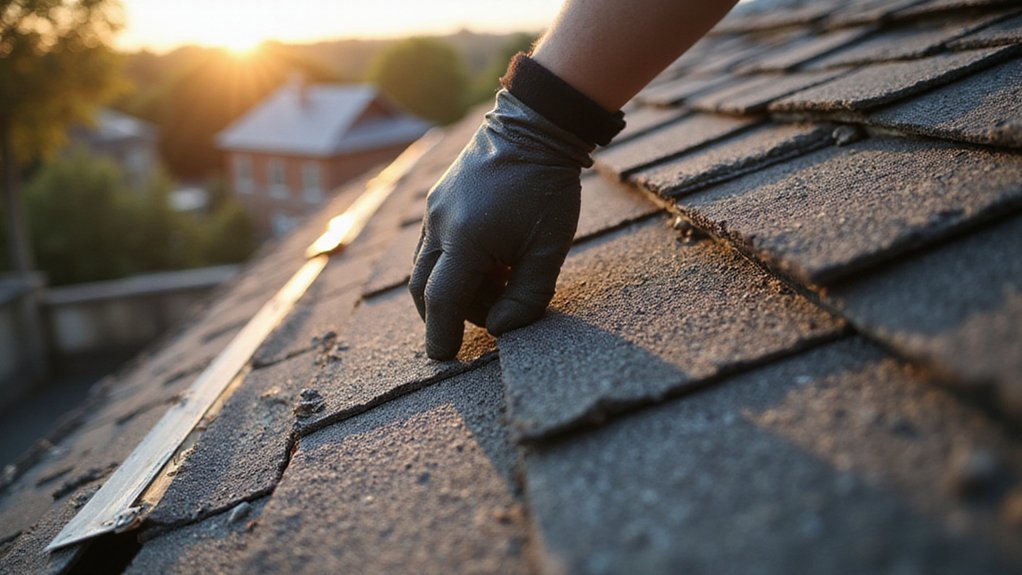
Different roof types—whether asphalt shingles, metal, slate, tile, wood shakes, or flat roofing systems—require specialized knowledge and distinct installation techniques that vary considerably in complexity and materials. You should ask potential contractors which roof types they’ve worked with extensively and request specific examples from their portfolio. Don’t assume that a contractor experienced with asphalt shingles can competently handle slate or metal roofing, because each material demands unique skills, tools, and understanding of proper installation methods. You’ll want to verify their experience matches your roof type exactly, as improper installation can lead to leaks, premature deterioration, and costly repairs down the road. Request references from previous customers who had the same roofing material installed, allowing you to confirm the contractor’s actual competency and workmanship quality.
Get the Full Scope and Timeline in Writing
Once you’ve verified that your contractor has the right experience with your specific roofing material, you’ll need to establish clear expectations about what work they’ll actually perform and when they’ll complete it. Request a detailed written estimate that outlines every aspect of the project, including materials, labor costs, and any additional fees. The timeline should specify start and end dates, along with milestones for different project phases. A thorough scope of work prevents misunderstandings later and protects both you and the contractor. Make sure the document addresses how weather delays’ll be handled, what cleanup responsibilities exist, and how payment’ll be structured. Having everything documented in writing creates accountability and gives you recourse if disputes arise during or after the project.
Assess How They Communicate and Treat You
Beyond the written contract and credentials, how a contractor communicates with you during the selection process reveals a lot about what you’ll experience throughout the entire project. Pay attention to whether they’re responsive to your questions and return calls promptly, as this indicates their professionalism and reliability. Notice if they listen carefully to your concerns without interrupting, and whether they explain technical details in understandable language rather than industry jargon. Observe their demeanor during meetings—they should treat you with respect and patience, answering both simple and complex questions thoroughly. A contractor who’s organized, punctual, and maintains clear communication channels sets a foundation for a smoother project. Their treatment of you now predicts how they’ll handle challenges and keep you informed during actual roof work.
Watch for Pressure Sales Tactics and Red Flags
While a contractor’s communication style tells you much about their professionalism, their sales approach reveals equally important information about their integrity and business practices. You should be cautious when contractors pressure you to sign contracts immediately or claim their offer expires today, as these tactics suggest they’re more focused on closing a sale than serving your needs. Red flags include contractors who won’t provide written estimates, demand large upfront payments before work begins, or lack proper licensing and insurance documentation. Additionally, be wary of those who discourage you from getting multiple quotes or who disparage competitors without legitimate reasoning. Legitimate contractors welcome your questions, provide transparent pricing, and allow you reasonable time to make decisions, demonstrating confidence in their work quality and business practices.
Demand a Detailed, Signed Contract Before Work Starts
Protection through documentation forms the foundation of any successful roofing project, and you shouldn’t allow any contractor to begin work without a detailed written contract that both you and the contractor sign. Your contract must clearly outline the project scope, including materials, labor costs, timeline, and payment schedule. Specify warranty coverage for both materials and workmanship, along with liability insurance requirements. Include provisions for handling unexpected issues that might arise during installation. The contract should detail what happens if the project extends beyond the agreed completion date and how changes to the original plan will be managed. A thorough, signed contract protects you legally and financially, establishing clear expectations that prevent misunderstandings and disputes throughout the project’s duration.
Make Your Final Decision With Confidence
After you’ve gathered all the necessary information about potential contractors, compared their estimates, reviewed their credentials, and verified they’ve provided detailed written contracts, you’re ready to make your final selection with confidence. Trust your research and the documented evidence you’ve collected throughout this process. Choose the contractor who demonstrates the right combination of experience, fair pricing, proper licensing, and professional communication. Your certainty comes from knowing you’ve thoroughly investigated each option and haven’t rushed into a decision. Once you’ve selected your contractor, review the contract one final time before signing, guaranteeing all agreed-upon terms, timelines, and costs are clearly stated. This methodical approach ascertains you’re hiring someone qualified and trustworthy to handle your roofing project.
Conclusion
By following these steps—verifying licenses, comparing quotes, checking references, understanding warranties, and demanding written contracts—you’ll protect yourself from a million potential headaches. You’re not just hiring someone to fix your roof; you’re investing in your home’s protection and your peace of mind. Take your time, ask questions, and trust your instincts when selecting your contractor.