
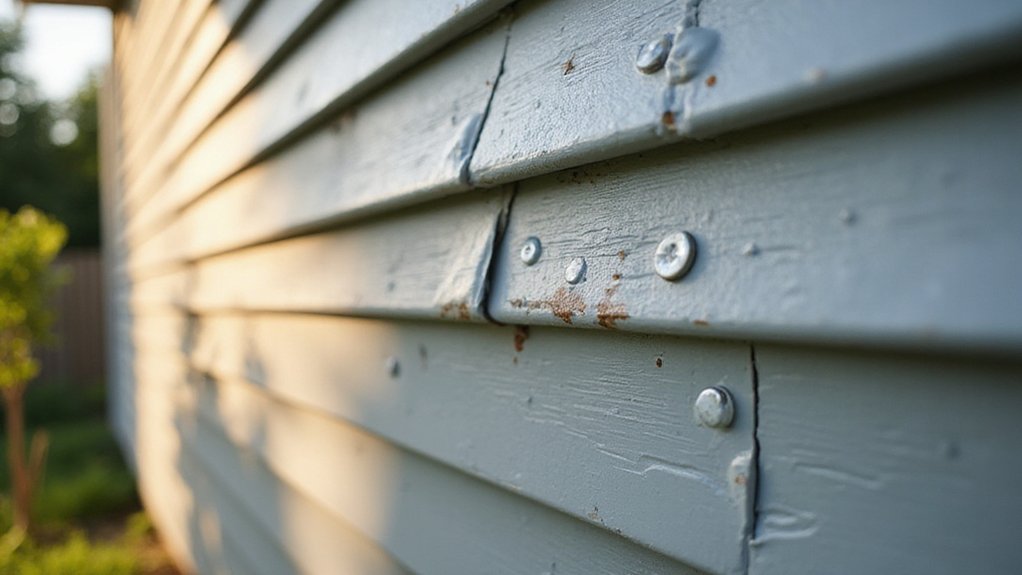
Like Icarus flying too close to the sun, many homeowners rush into metal siding projects without understanding the complexity beneath the surface. You’re likely focusing on upfront costs while overlooking critical factors: material grades, climate compatibility, and hidden labor expenses that’ll strain your budget. Proper installation requires specialized expertise, and thermal movement alone can compromise your home’s integrity if mishandled. What you don’t know about ventilation and moisture barriers might already be costing you.
Metal Siding Isn’t One-Size-Fits-All: Grade and Material Quality Matter
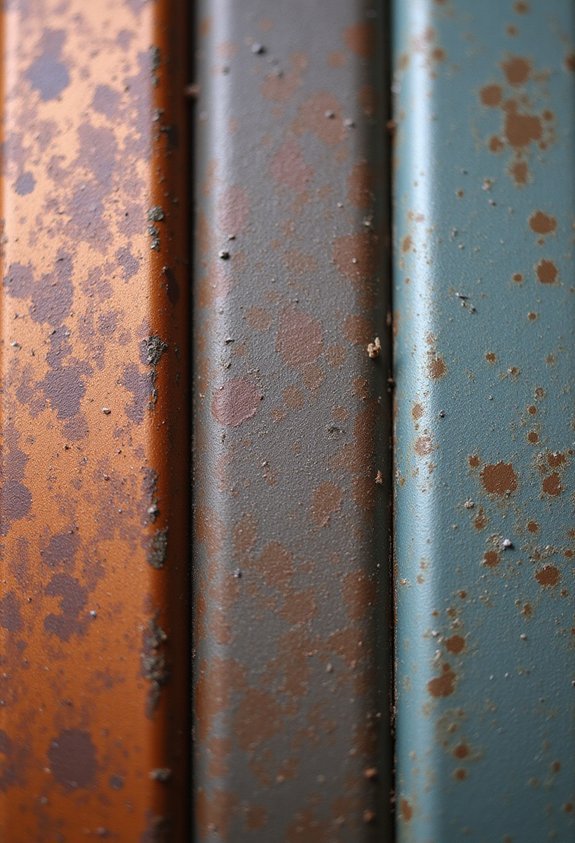
When you’re shopping for metal siding panels, you’ll quickly discover that not all products are created equal, and the differences in grade and material quality can considerably impact your home’s durability, appearance, and long-term value. You’ll encounter various grades of steel and aluminum, each with different thicknesses and coating systems that affect how well your siding resists rust, dents, and weather damage. Higher-grade materials typically feature thicker gauges and superior protective coatings, which means they’ll last longer and require less maintenance over time. Lower-grade options might seem budget-friendly initially, but they’ll often need repairs or replacement sooner. You should carefully compare specifications, warranty coverage, and coating quality before making your purchase, ensuring you’re investing in materials that’ll protect your home effectively for decades.
Which Metal Type Works Best in Your Climate
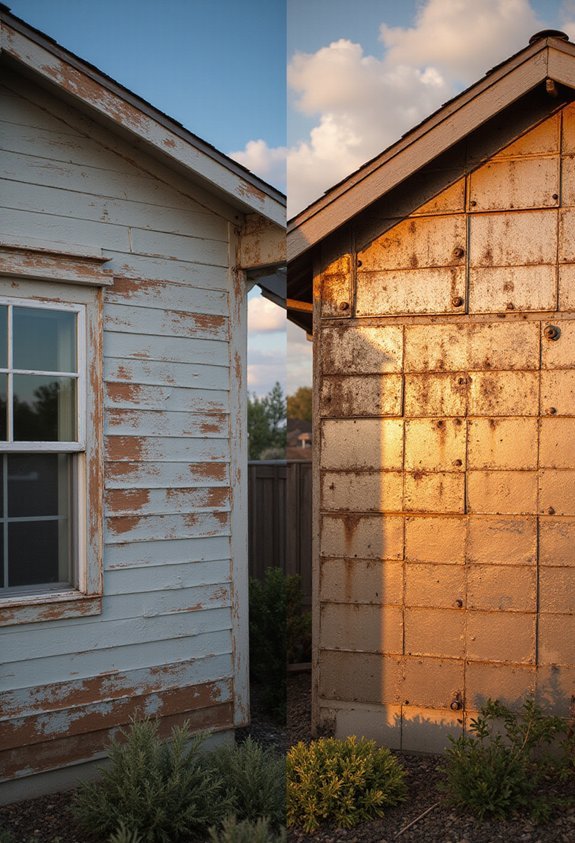
Because different metals respond differently to temperature changes, moisture, and salt exposure, your climate should guide your choice between steel and aluminum siding panels. If you’re in a coastal region where salt air corrodes materials, aluminum’s natural oxide layer resists saltwater damage far better than steel, making it your superior option. Conversely, if you live in a dry, temperate climate with minimal moisture, steel offers excellent durability at a lower cost. In areas experiencing significant temperature fluctuations, aluminum’s flexibility prevents warping better than rigid steel. Additionally, consider your region’s humidity levels: high moisture environments favor aluminum’s corrosion resistance, while drier climates work well with either metal. Your local climate conditions directly impact how long your siding investment lasts, so matching the metal type to your specific weather patterns guarantees optimal performance and longevity.
Why Metal Siding Installation Isn’t a DIY Project
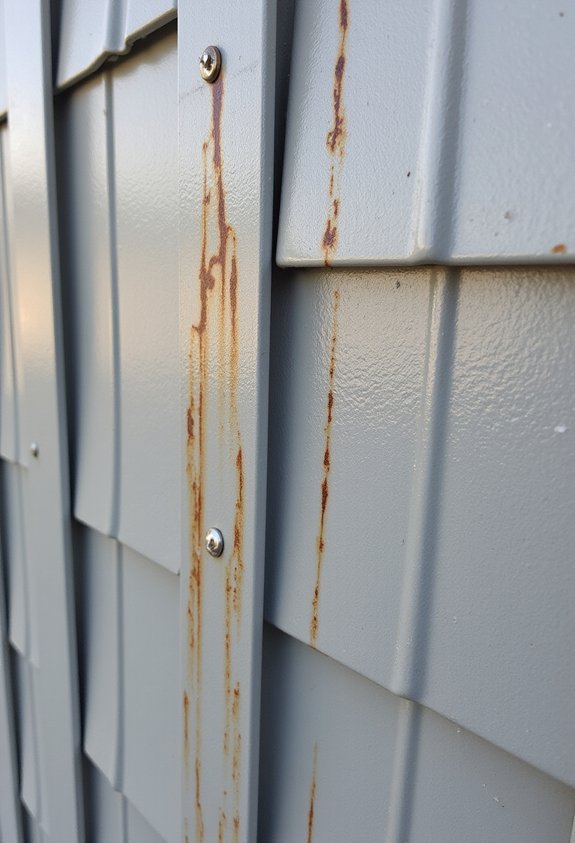
Once you’ve selected the right metal type for your climate, you’ll need to understand that installing those panels requires specialized skills and equipment that most homeowners don’t possess. Professional installers comprehend proper fastening techniques, which prevent water infiltration and panel movement that can damage your home’s structure. They’ve learned how to handle metal sheets without creating dents or scratches that compromise weather protection. Installation also demands precise measurements, correct underlayment application, and proper flashing around windows and doors. Without this expertise, you’re risking costly mistakes including rust development, misalignment, and structural damage. Professional crews complete installations efficiently while maintaining safety standards around heights and heavy materials. Employing experienced contractors guarantees your investment provides decades of protection rather than creating expensive problems down the line.
Hidden Labor Costs Homeowners Always Underestimate
Many homeowners underestimate labor costs for metal siding installation because they focus only on the material price and overlook the numerous hidden expenses that accumulate during the project. You’ll encounter unexpected costs like roof reinforcement, which becomes necessary when your existing structure can’t support the weight of metal panels. Removal and disposal of old siding requires specialized equipment and hazardous material handling, substantially increasing expenses. Flashing installation, which prevents water infiltration around windows and doors, demands skilled craftsmanship that you can’t compromise on. Weather delays extend your timeline, meaning workers charge additional days. Permit fees and inspections add thousands to your budget. Professional crews also account for scaffolding rental, safety equipment, and travel time between job sites, all expenses you’ll inevitably bear.
How Thermal Expansion and Contraction Can Damage Improper Installations
Beyond the financial concerns of labor and materials, the actual performance of your metal siding installation depends heavily on how installers account for the natural movement that occurs in metal panels throughout the year. Metal expands when temperatures rise and contracts when they drop, and if your installer hasn’t left proper gaps and used flexible fastening systems, your panels’ll buckle, warp, or separate from your home’s structure. Poor installations that don’t accommodate this thermal movement create stress points where panels crack or pull away from corners and trim pieces. You’ll notice gaps appearing between panels, fasteners backing out, or visible damage along seams. Proper installation requires understanding these expansion rates and building in appropriate clearances so your siding can move freely without compromising its protective function.
Ventilation Behind Metal Panels Isn’t Optional
While you’re focused on the visible aspects of your metal siding installation, what’s happening behind those panels is equally critical to your home’s long-term health and performance. You need proper ventilation space between your metal panels and the sheathing underneath, which allows air to circulate and moisture to escape. Without this ventilation, you’ll trap moisture against your home’s structure, creating an environment where rot, mold, and rust develop rapidly. Installing metal siding directly against your sheathing without a ventilation gap dramatically shortens the lifespan of both your panels and your home’s framing. You should maintain at least a quarter-inch gap behind your panels, ensuring air moves freely. Proper installation includes using furring strips or specialized brackets that create this necessary space, protecting your investment from hidden damage that repairs become expensive once discovered.
Moisture Barriers and Flashing: Non-Negotiable for Longevity
How’d you like to discover rot spreading through your home’s walls five years after installing new metal siding? Without proper moisture barriers and flashing, you’re inviting water directly into your wall cavities. Moisture barriers—typically synthetic or felt underlayment—create a protective layer that stops water penetration while allowing vapor to escape. Flashing, installed at critical points like windows, doors, and roof interchange, directs water away from vulnerable areas. You’ll need correctly angled flashing that overlaps properly, guaranteeing water runs downward and outward rather than behind your panels. Skipping these components means moisture accumulation, wood rot, mold growth, and structural damage. Installing moisture barriers and flashing correctly during your initial metal siding installation prevents expensive repairs later and guarantees your investment’s longevity.
Metal Siding Compatibility With Your Current Gutters and Trim
Before you install new metal siding panels, you’ll need to evaluate whether your existing gutters and trim work well with your chosen siding system, since incompatible components can create water management problems and aesthetic inconsistencies that’ll compromise your home’s protection. Your gutters must properly channel water away from the siding’s base, preventing moisture from pooling behind panels. Check whether your current gutter style matches your new siding’s profile and material composition. Aluminum siding pairs well with aluminum gutters, while steel siding works best with steel gutters. Additionally, examine your trim pieces around windows and doors to guarantee they align with your metal siding’s dimensions. Mismatched trim creates gaps where water infiltrates, causing rust and structural damage that’ll prove expensive to repair later.
The Maintenance Metal Siding Actually Requires
Once you’ve guaranteed your gutters and trim are compatible with your metal siding, you’ll want to establish a regular maintenance routine that keeps your panels in top condition and extends their lifespan. You’ll need to inspect your siding twice yearly, checking for dents, scratches, or areas where the protective coating’s worn away. Clean your panels annually using a soft-bristled brush and mild soap solution, which prevents dirt and debris from accumulating and causing corrosion. You should also examine all seams and fasteners, tightening any loose bolts or screws you find. Address minor paint chips promptly by applying touch-up paint to prevent rust development. These straightforward tasks protect your investment and maintain your home’s structural integrity effectively.
What Your Metal Siding Warranty Really Covers
Because metal siding represents a substantial investment in your home’s exterior, understanding what your warranty actually protects is essential to making informed decisions about repairs and replacements. Most warranties cover manufacturing defects, including paint peeling, rust formation, and structural failures within specific timeframes, typically ranging from ten to twenty years. However, warranties don’t cover damage from improper installation, severe weather events, or lack of maintenance. You’ll need to review your warranty’s fine print carefully, as exclusions vary considerably between manufacturers. Coverage often diminishes over time, meaning protection for year fifteen differs markedly from year one. Additionally, many warranties require you to perform regular maintenance tasks, so neglecting cleaning or inspections can void your coverage entirely.
Conclusion
You’ll find that nearly 40% of metal siding problems stem from improper installation, not material defects, which means you’re investing in quality panels only to compromise them through cutting corners on labor. By understanding material grades, climate requirements, thermal movement, and moisture protection, you’re taking control of your investment’s longevity. Don’t let hidden costs derail your project; prioritize professional installation and proper planning from the start.