
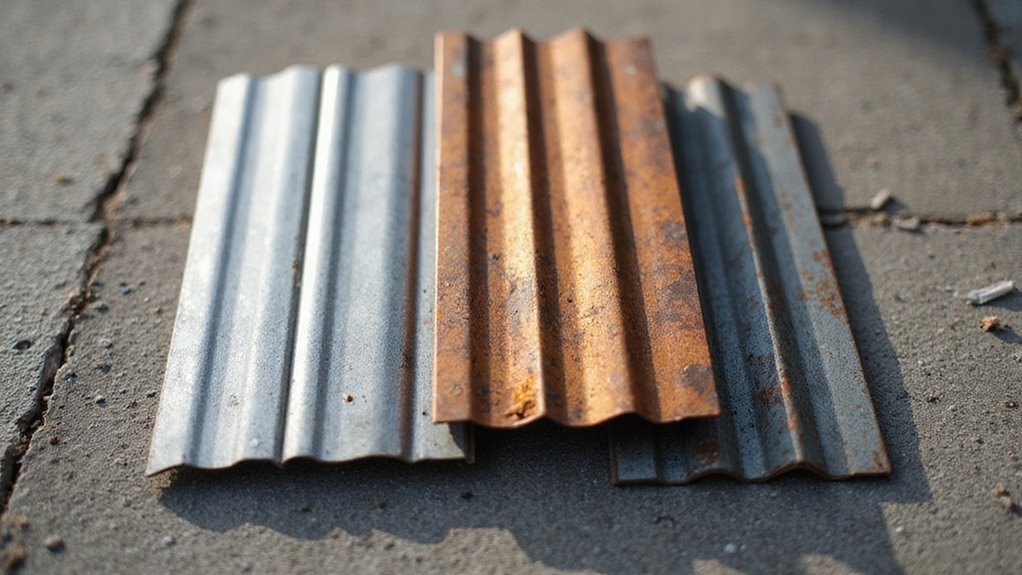
You might think all metal siding panels perform the same regardless of where you live, but your climate actually determines which material and finish will protect your home longest. Humidity, temperature swings, salt air, and wind patterns each demand specific solutions—and choosing wrong means costly replacements within years. Understanding your region’s exact environmental challenges, then matching them to the right metal type and protective coating, is where smart homeowners start. The difference between a 15-year panel and a 40-year one comes down to decisions you’ll make next.
What Climate Challenges Does Your Region Actually Face?
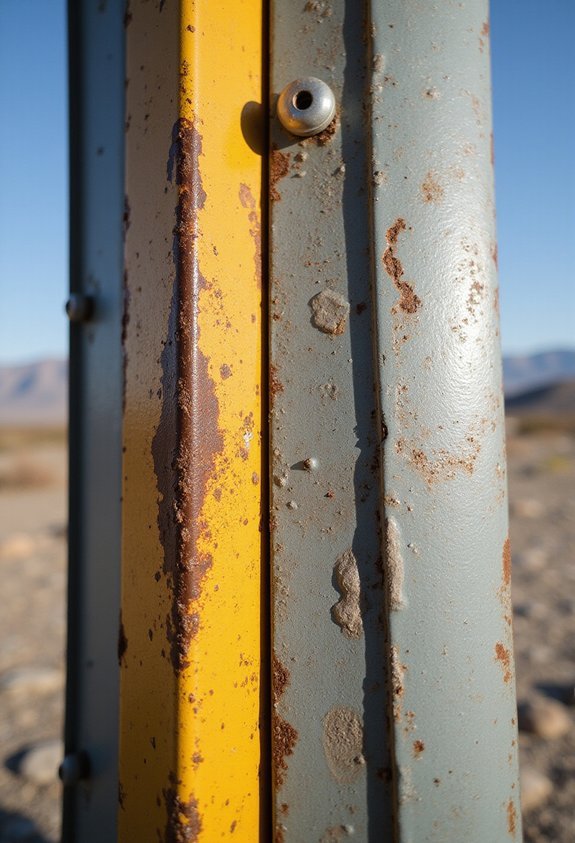
Before you’ll choose metal siding panels for your home, you’ve got to understand what weather conditions your region regularly experiences, since different climates create different demands on your exterior materials. Start by identifying your area’s primary challenges: extreme heat, freezing temperatures, high humidity, heavy rainfall, or strong winds. Research your region’s average annual precipitation, temperature fluctuations, and seasonal storm patterns. Check whether you’re in a coastal zone where salt spray corrodes materials rapidly, or in an arid region where intense UV radiation breaks down protective coatings. Document your area’s humidity levels, since moisture promotes rust and mold growth. Understanding these specific conditions helps you select metal panels with appropriate coatings, thickness, and corrosion resistance ratings that’ll withstand your climate’s unique stressors effectively.
Aluminum vs. Steel vs. Copper: Which Handles Your Climate?
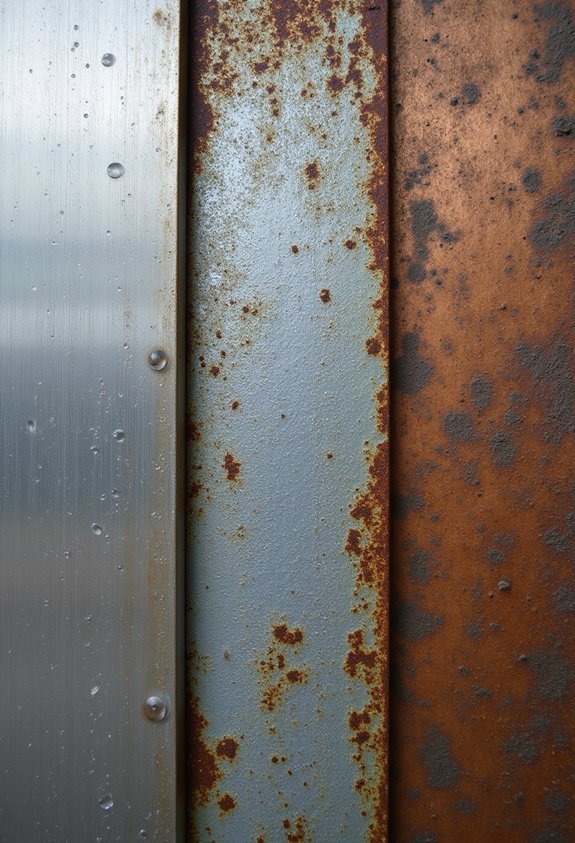
Once you’ve identified your region’s specific climate challenges, you’ll need to evaluate the three primary metal siding options—aluminum, steel, and copper—since each material responds differently to temperature swings, moisture, salt exposure, and UV radiation. Aluminum resists corrosion naturally and weighs less, making it ideal for coastal areas and humid climates, though it dents more easily than alternatives. Steel offers superior strength and durability in harsh conditions, but requires protective coatings to prevent rust, especially near salt water. Copper develops a protective patina over time, making it exceptionally corrosion-resistant and long-lasting, though its higher cost limits widespread use. Consider your region’s specific environmental stressors when selecting between these materials to guarantee optimal performance and longevity for your home’s exterior.
Paint Coatings vs. Anodizing: Which Finish Matches Your Climate?
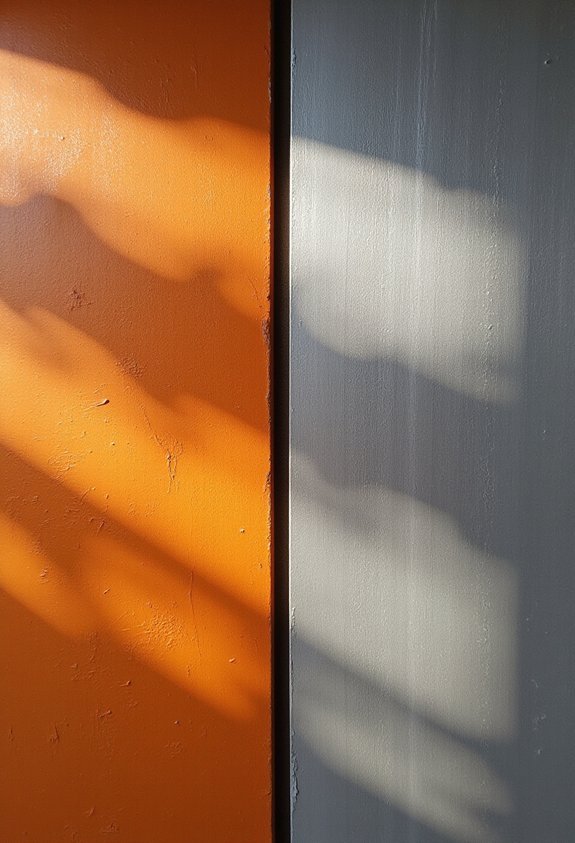
After you’ve selected your metal siding material, you’ll need to choose between two primary finishing methods—paint coatings and anodizing—since each protective layer performs differently across various climate conditions. Paint coatings offer flexibility and color variety, making them ideal for regions with moderate temperature fluctuations, but they’ll require periodic repainting as UV exposure causes fading and peeling over time. Anodizing, conversely, creates a permanent oxide layer that bonds chemically to the metal, providing superior durability in harsh environments with intense sun, salt spray, or extreme weather. If you’re in a coastal area, anodizing resists corrosion more effectively than paint. For inland climates with stable conditions, paint coatings deliver adequate protection while allowing easier aesthetic updates. Consider your climate’s severity and maintenance preferences when selecting your finish.
Metal Siding for Cold Climates: Insulation and Thermal Performance
Metal siding panels alone won’t provide the insulation your home needs in cold climates, so you’ll need to pair them with proper backing materials and air sealing techniques to prevent heat loss and condensation problems. You should install rigid foam insulation or mineral wool batts beneath your metal panels to create a thermal barrier that keeps warmth inside your home. Additionally, you’ll want to seal all seams, joints, and fastener penetrations with weatherproof caulk or sealant to eliminate air leaks. Consider choosing metal panels with integrated insulation backing, which combines protection with thermal resistance in one product. Proper ventilation behind your siding helps moisture escape before it causes damage, so guarantee your installation includes adequate air gaps or ventilation channels that allow water vapor to move away from your home’s structure.
Metal Panels in Hot Climates: Managing Heat, Reflection, and Fading
While cold climates demand that you focus on heat retention and moisture management, hot climates present an entirely different set of challenges that require you to prioritize heat reflection, temperature control, and color durability. You’ll want to select metal panels with reflective coatings that bounce sunlight away from your home, reducing cooling costs and interior temperatures. Light-colored panels, particularly white or silver finishes, perform better than dark colors at reflecting heat. Additionally, you should choose panels with UV-resistant coatings that prevent fading and discoloration over time. Premium finishes like Kynar 500 or Polyvinylidene Fluoride (PVDF) offer superior protection against sun damage. Proper ventilation behind your panels also helps dissipate trapped heat, preventing buildup that can compromise your siding’s longevity and your home’s comfort.
Coastal Metal Siding: Choosing Corrosion-Resistant Materials and Finishes
If you’re building or renovating a home near the ocean, you’ll face unique challenges that inland homeowners don’t encounter, since salt spray, moisture, and humidity work together to corrode unprotected metal surfaces far more aggressively than standard weather conditions. You’ll want to select aluminum or steel panels with specialized coatings, like Kynar 500 or Polyvinylidene Fluoride (PVDF), which provide superior corrosion resistance compared to standard paint finishes. These high-performance coatings create protective barriers that prevent salt from penetrating the metal underneath. Additionally, guarantee your chosen panels feature proper drainage systems and ventilation to minimize moisture accumulation. Regular maintenance, including periodic rinsing with fresh water to remove salt deposits, will drastically extend your siding’s lifespan and maintain its appearance.
Why Gauge Thickness Varies by Material and Climate
Because different climates place distinct demands on your siding, the thickness—or gauge—of metal panels you’ll need varies greatly depending on where you live and what material you’re working with. In coastal areas, you’ll want thicker aluminum or steel panels to withstand salt spray and corrosion, typically ranging from 0.024 to 0.040 inches. High-wind regions require sturdier gauges to prevent panel warping and damage. Cold climates need thicker materials because metal contracts and expands with temperature fluctuations, and inadequate thickness can cause stress fractures. Meanwhile, moderate climates allow for slightly thinner panels since they’re exposed to fewer extreme conditions. Steel generally requires thicker gauges than aluminum for equivalent strength, so understanding your local climate conditions helps you select the right panel thickness for ideal durability and performance.
How Long Will Your Panels Last? Warranty by Material
Selecting the right gauge thickness sets you up for durability, but what you’ll really want to know is how long your investment’ll actually last once it’s installed on your home. Most steel siding panels come with warranties ranging from 20 to 40 years, depending on the coating quality and your climate conditions. Aluminum panels typically offer longer warranties, often reaching 30 to 50 years, because aluminum resists rust naturally. However, warranty length doesn’t guarantee performance in extreme climates, so you’ll need to verify that your chosen material’s warranty covers your specific region’s weather challenges. Galvanized steel works well in moderate climates, while coastal areas require premium coatings that provide extended protection against salt corrosion. Always compare warranty terms carefully before making your final selection.
Ventilation, Overlap, and Sealant Choices for Wet vs. Dry Climates
The way you’ll install your metal siding panels—including how you handle ventilation, overlap spacing, and sealants—matters just as much as the material itself, because moisture and weather exposure’ll determine whether your panels perform well or fail prematurely in your specific climate zone. In wet climates, you’ll need wider overlap spacing, typically 1.5 inches or more, to shed water effectively and prevent moisture from seeping behind panels. You’ll also want to install proper ventilation gaps behind your siding to allow air circulation and moisture evaporation. For dry climates, you can use tighter overlaps and minimal ventilation requirements. When selecting sealants, choose products specifically rated for your climate’s temperature swings, UV exposure, and humidity levels to prevent cracking and adhesive failure.
Cost vs. Performance: Getting the Best Value
You’ll want to balance upfront expenses against long-term durability when you’re shopping for metal siding panels, since cheaper materials often won’t deliver the same lifespan or weather resistance as premium options. Calculate the total cost over twenty to thirty years by dividing the panel price by its expected lifespan, which reveals the actual yearly investment. Higher-quality panels with superior coatings resist rust, fading, and weather damage more effectively, reducing maintenance expenses and replacement frequency. Consider your climate’s specific demands when comparing costs, because panels designed for harsh conditions justify their premium pricing through extended performance. Evaluate warranty coverage alongside material quality, as longer warranties indicate manufacturer confidence and provide protection for your investment throughout your panel’s service life.
Conclusion
You’ve now got the knowledge to pick metal siding that’ll actually survive your climate, so isn’t it worth spending time on this decision upfront? By matching your material to local weather patterns, selecting appropriate coatings, and ensuring proper installation with ventilation and sealants, you’ll protect your investment for decades. You’re making a choice that combines durability, performance, and long-term value, so apply what you’ve learned carefully to your specific region.