
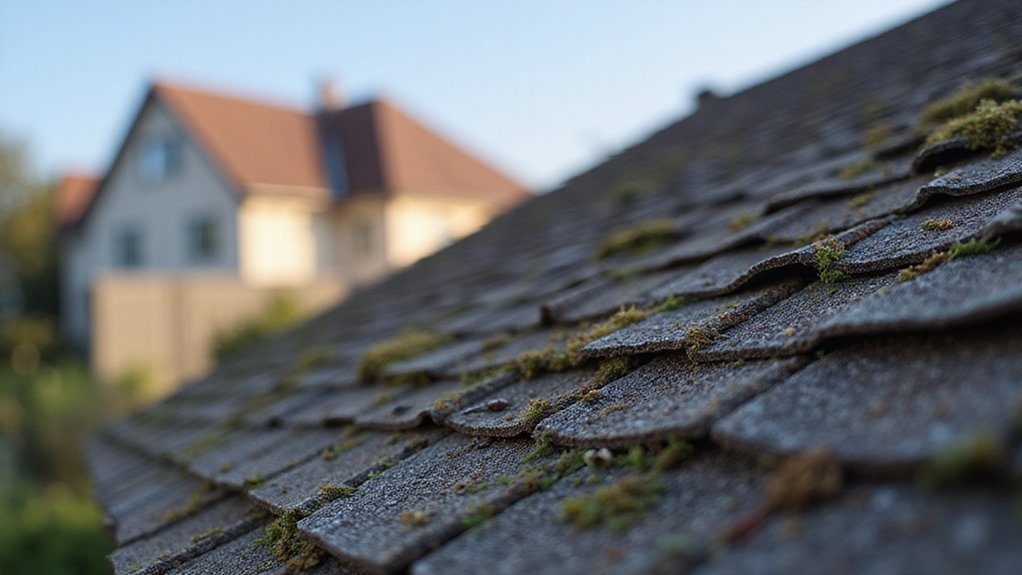
Although roof replacement seems expensive upfront, understanding the actual costs involved helps you budget effectively and avoid surprises. You’ll discover that factors like your roof’s age, material choices, size, and location considerably impact the final price. Labor costs vary by region, and hidden expenses like permits and structural repairs add up quickly. Before making decisions, you need to know what determines these costs and how to compare quotes properly.
When to Replace vs. Repair Your Roof
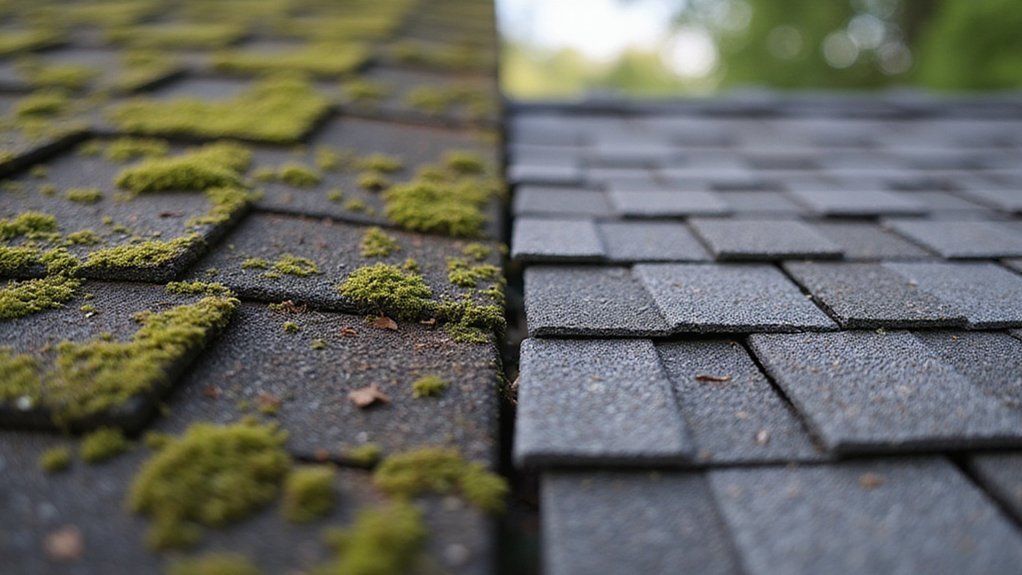
Deciding whether you’ll repair or replace your roof comes down to weighing several practical factors that directly affect your wallet and your home’s protection. If your roof’s damage is localized to one or two areas and your roof’s age is under fifteen years, repairs are typically your best choice. However, if you’re noticing widespread damage, missing shingles across multiple sections, or your roof’s approaching twenty years old, replacement becomes more cost-effective. You’ll also want to ponder the extent of damage—minor leaks and small holes warrant repairs, while structural damage or rot underneath shingles indicates replacement is necessary. Additionally, compare repair costs against replacement expenses; if repairs’ll cost more than thirty percent of a full replacement, investing in a new roof makes better financial sense for your home’s long-term value.
Roof Materials: Price, Durability, and Lifespan Compared
Once you’ve determined that roof replacement is necessary, your next critical decision involves choosing the right material, since different roofing materials come with vastly different price tags, durability ratings, and expected lifespans that’ll tremendously impact both your upfront costs and long-term maintenance expenses. Asphalt shingles offer the most affordable option, typically costing $3 to $5 per square foot, though they last only 15 to 20 years. Metal roofing costs $7 to $12 per square foot but endures 40 to 70 years with minimal maintenance. Tile and slate represent premium choices, ranging from $10 to $18 per square foot, yet they provide exceptional durability lasting 50 to 100 years. You’ll need to weigh initial investment against longevity and climate compatibility when selecting your roofing material.
How Roof Size and Complexity Affect Your Price?
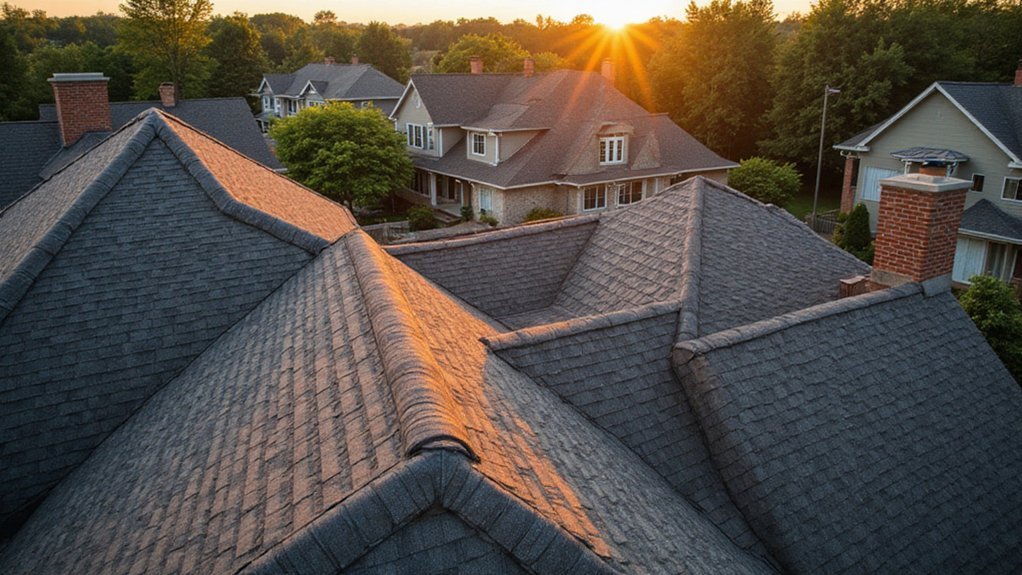
How much you’ll pay for roof replacement depends considerably on two factors: the total square footage of your roof and how complicated the installation process becomes, since both elements directly influence labor costs, material waste, and the time required to complete the job. Larger roofs naturally require more materials and labor hours, increasing your overall expense. However, roof complexity matters equally, as steep pitches, multiple angles, valleys, and skylights demand skilled workers who charge premium rates for safety equipment and specialized techniques. A simple rectangular roof on a single-story home costs markedly less than a multi-level structure with numerous features. You’ll want contractors to measure your roof’s square footage and assess its complexity before providing accurate cost estimates for your replacement project.
Labor: What Installers Actually Charge and Why
While roof size and complexity determine the scope of your project, the labor costs that roofers charge depend on several interconnected factors that directly affect your final bill. Experienced installers typically charge between $1.50 and $3.00 per square foot, though regional market rates, local demand, and contractor reputation considerably influence these prices. Your location matters greatly, since urban areas generally command higher wages than rural regions. The season also impacts labor costs—spring and summer demand drives prices up, while winter offers potential savings. Additionally, roofers consider project difficulty, safety requirements, and material handling when calculating labor expenses. Specialized roofing types requiring certified installers cost more than standard asphalt shingle replacements. Understanding these pricing components helps you budget accurately and negotiate fair rates with qualified contractors.
Regional Price Differences: Why Location Matters
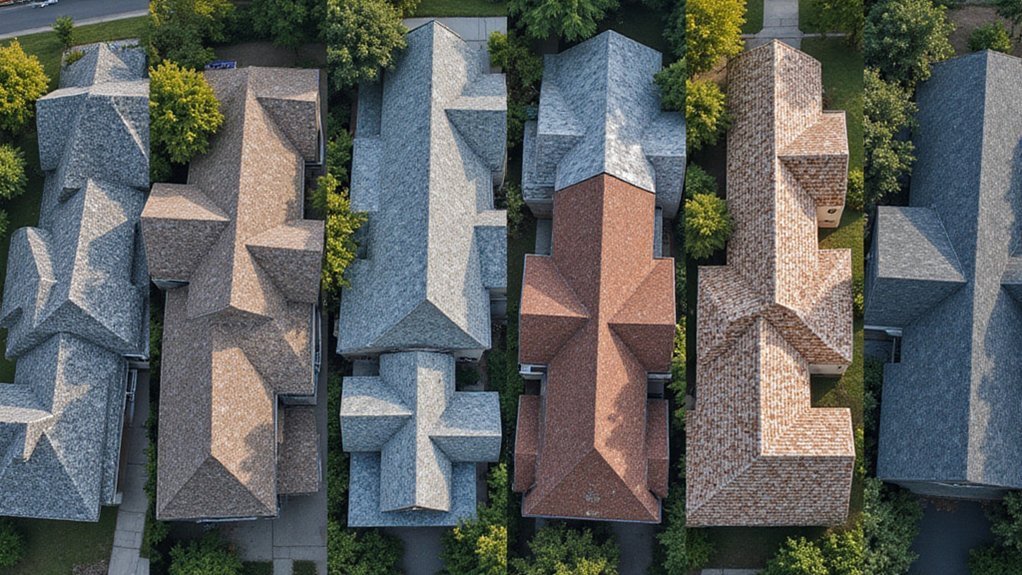
The cost of roof replacement varies dramatically depending on where you live, and understanding these regional differences can help you anticipate what you’ll actually pay for your project. Labor costs in urban areas typically exceed rural prices because contractors face higher overhead expenses, including rent, insurance, and employee wages. Weather patterns also influence pricing—regions experiencing harsh winters or frequent storms require more durable materials and specialized installation techniques, which increase costs. Additionally, local building codes vary by location, sometimes demanding specific materials or reinforcement methods that affect your final bill. Supply chain distances matter too; remote areas pay more for material delivery fees. Before requesting quotes, research your region’s typical roof replacement costs to establish realistic budget expectations for your specific location.
The Real Cost Picture: Unexpected Expenses Beyond Labor and Materials
Many homeowners who’ve budgeted for labor and materials discover that roof replacement involves additional costs they hadn’t anticipated, and these hidden expenses can substantially impact your final bill. Permit fees, which vary by location and local regulations, can range from several hundred to thousands of dollars. You’ll likely need inspections before and after work, adding inspection costs to your total. If your roofers discover structural damage, rotting wood, or inadequate ventilation during removal of old roofing materials, you’ll face unexpected repairs. Disposal fees for old shingles and debris aren’t always included in initial quotes. Additionally, temporary tarping, equipment rentals, and weather-related delays can increase expenses. Understanding these potential costs beforehand helps you budget more accurately and avoid financial surprises when your roof replacement project begins.
Compare Roof Replacement Costs: Getting and Evaluating Quotes
Now that you understand what hidden expenses might arise during your roof replacement project, you’re ready to take control of your costs by gathering and comparing quotes from multiple roofing contractors. Request at least three detailed estimates that break down labor, materials, permits, and disposal fees separately. Ask each contractor the same specific questions about your roof’s condition, recommended materials, and project timeline to ascertain accurate comparisons. Review whether quotes include warranty information and what exactly that coverage safeguards. Check that contractors are licensed, insured, and bonded before considering their bids. Don’t automatically choose the lowest price, as cheaper estimates may indicate lower quality materials or rushed work. Instead, evaluate each quote’s thoroughness and the contractor’s reputation to determine the best overall value for your investment.
Cut Costs Without Cutting Corners: Material Choices and Timing Strategies
Once you’ve selected a qualified contractor with a competitive quote, you can still reduce your overall roof replacement expenses by making strategic decisions about materials and scheduling your project at the right time. Consider choosing asphalt shingles instead of premium materials like metal or slate, which offer comparable protection at lower costs. You’ll also benefit from scheduling your roof replacement during off-season months, typically fall or winter, when contractors have more availability and may offer discounted rates. Additionally, inquire whether your contractor can source materials directly from suppliers rather than through middlemen, potentially lowering material costs. Finally, avoiding emergency replacements by addressing roof problems early prevents rushed decisions that often result in overpaying for expedited work and labor.
Financing Roof Replacement Costs: Loans, Insurance, and Plans
Because roof replacements represent significant expenses that can easily exceed $10,000 or more, you’ll want to explore multiple financing options to manage the financial burden effectively. You can pursue personal loans from banks or credit unions, which offer fixed interest rates and predictable monthly payments. Home equity loans let you borrow against your home’s value at potentially lower rates. Your homeowner’s insurance may cover damage from storms or accidents, though wear and tear typically isn’t covered. Many roofing contractors offer payment plans that spread costs over several months without interest. You might also consider government assistance programs if you qualify based on income. Carefully compare interest rates, terms, and eligibility requirements across all options before deciding which financing method best suits your financial situation.
Project Timeline: How Long Roof Replacement Takes
After you’ve secured financing and selected a roofing contractor, understanding how long the actual replacement project will take helps you prepare your household and plan accordingly. Most residential roof replacements take between three to five days, depending on your roof’s size, complexity, and weather conditions. A straightforward single-story home with a simple design might finish in two to three days, while larger or multi-story houses could require a full week. Your contractor will remove old roofing materials, inspect the underlying structure for damage, repair any issues, and install new materials. Weather delays can extend timelines considerably, substantially, or extensively, so plan for potential setbacks during rainy or windy seasons. Your roofing contractor should provide a detailed schedule before work begins, allowing you to arrange necessary household adjustments and coordinate any temporary relocation if needed.
Conclusion
You’ve discovered that roof replacement costs depend on multiple interconnected factors: your roof’s age and damage extent, material selection, installation complexity, labor rates in your region, and hidden expenses you can’t ignore. Now that you understand these variables, you’re positioned to make strategic decisions about timing, materials, and financing that’ll protect your investment while keeping costs manageable for years ahead.