
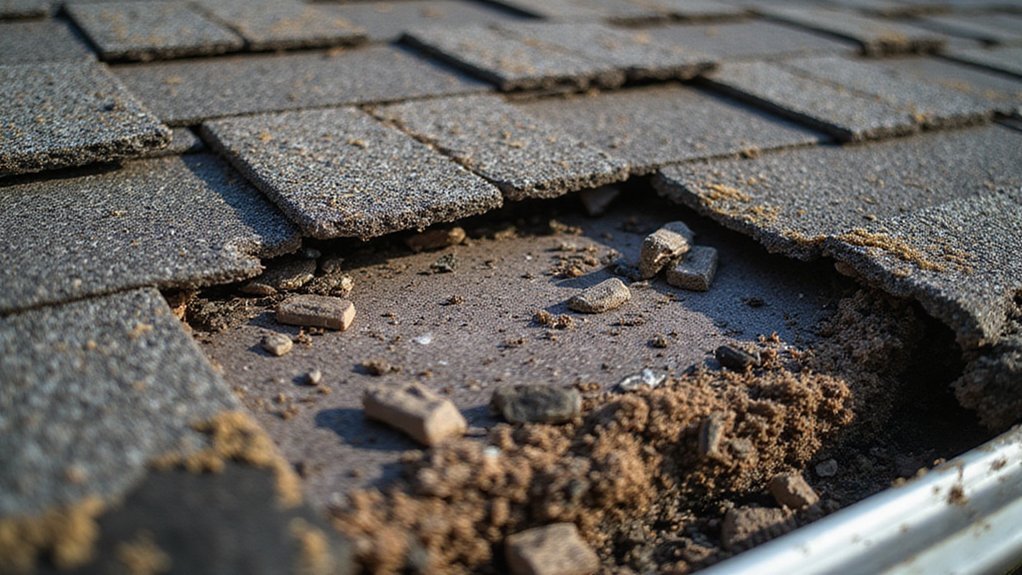
Most homeowners don’t think about their roof until something goes wrong, yet the average roof costs between $5,000 and $15,000 to replace. You’ll want to know the specific warning signs that indicate your roof needs immediate attention, because ignoring them can lead to costly interior damage and safety hazards. Understanding these critical indicators will help you make the right decision at the right time.
How Old Is Your Roof? Why Age Matters Most
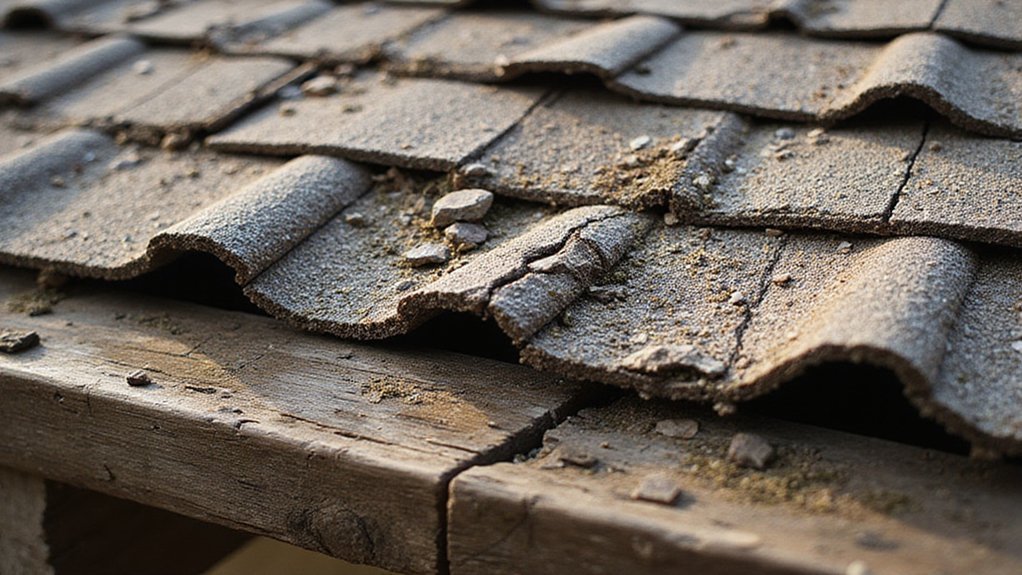
Because your roof’s age directly determines how much longer it’ll protect your home, understanding your roof’s timeline is the most important factor in deciding whether you need a replacement. Most asphalt shingle roofs last between 20 and 25 years, while metal roofs can last 40 to 70 years, and tile roofs may reach 50 years or beyond. You’ll want to check your roof’s installation date, which you can find in your home’s purchase documents or by asking previous owners. Once your roof reaches the midpoint of its expected lifespan, you should begin inspecting it annually for signs of wear. Even if your roof appears functional, age-related deterioration happens gradually, weakening its ability to prevent leaks and water damage that’ll cost you substantially more if left unaddressed.
5 Critical Warning Signs That Demand Urgent Roof Replacement
While your roof’s age provides a general timeline for replacement, certain warning signs indicate you’ll need immediate action regardless of how many years have passed since installation. If you notice water stains on your ceiling or attic, missing shingles, or granules accumulating in your gutters, don’t delay—these problems worsen quickly and cause interior damage. Sagging roof sections signal structural compromise requiring urgent attention. Visible mold or algae growth indicates moisture retention, which deteriorates roofing materials and threatens your home’s integrity. Daylight visible through roof boards means your protective barrier has failed completely. Curled, cracked, or buckling shingles expose underlying layers to weather damage. Any of these conditions demand immediate professional inspection and likely replacement to prevent costly water damage, mold problems, and structural failures that become exponentially more expensive when ignored.
Weather Damage and Roof Replacement Timelines
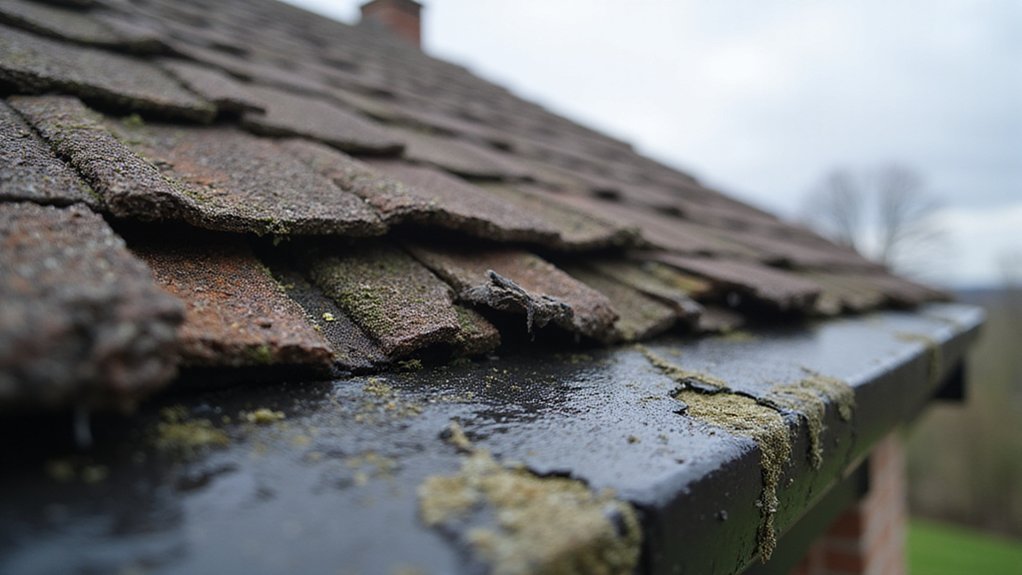
Every severe storm, heavy snow, or intense wind event can accelerate your roof’s deterioration and shorten its expected lifespan, meaning you’ll likely need replacement sooner than the standard 20-to-25-year timeline suggests. After major weather events, you should inspect your roof for missing shingles, granule loss, or structural damage that weakens its protective layers. Hail damage creates small dents that compromise your roof’s waterproofing ability, while strong winds can lift shingles and expose vulnerable underlayment. Heavy snow loads stress your roof’s structural integrity over time. If you’ve experienced significant weather damage, contact a professional roofer immediately to assess whether repairs suffice or replacement becomes necessary. Addressing weather-related damage promptly prevents costlier interior water damage, mold growth, and structural issues that develop when deterioration goes unaddressed.
When Damaged Shingles Mean Roof Replacement
How do you know when shingle damage warrants a full roof replacement rather than simple repairs? If you’re seeing widespread shingle problems across multiple roof sections, replacement is likely necessary rather than patching isolated areas. When shingles show extensive cracking, curling, or missing pieces over a large percentage of your roof’s surface, structural integrity becomes compromised. Additionally, if your roof’s already nearing the end of its typical lifespan—usually fifteen to twenty-five years depending on material—and you’re discovering significant damage, replacement makes more financial sense than repeated repairs. You’ll also want replacement if underlying wood decking shows rot or water damage, since repairs won’t address the foundational problems. Assess the damage’s location and extent carefully; clustered damage covering thirty percent or more of your roof typically indicates replacement is your most practical option.
Sagging Roofs and Structural Problems
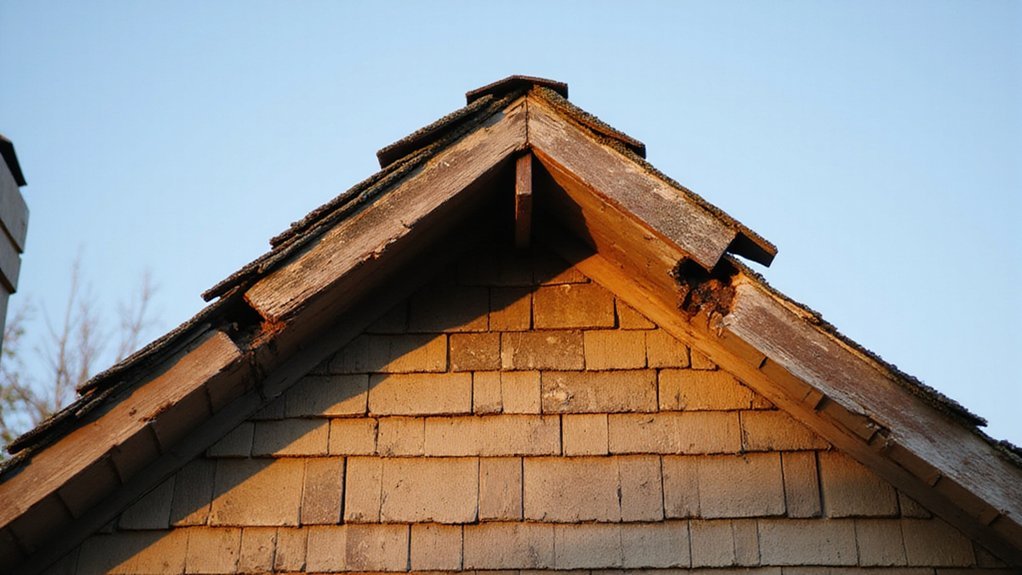
One of the most serious warning signs that you’ll need a roof replacement is visible sagging or dipping across your roof’s surface, which indicates structural failure rather than simple material degradation. When you notice your roof isn’t level or appears to bow downward, you’re looking at problems with the underlying support system, including weakened rafters, rotted wood, or compromised trusses. These structural issues don’t resolve themselves, and they’ll worsen over time as moisture penetration increases. You shouldn’t delay addressing sagging because it creates safety hazards and allows water damage to spread throughout your home’s interior. A professional inspector can determine whether repairs might suffice or if complete replacement is necessary, but sagging roofs typically require full replacement rather than partial fixes.
Interior Water Damage and Leak Patterns
While structural problems develop slowly beneath your roof’s surface, water damage inside your home often appears suddenly and spreads rapidly, making it a critical indicator that you need roof replacement. You should inspect your attic regularly for water stains, discoloration, or wet insulation, which signal active leaks. Check your ceilings and walls for brown spots, peeling paint, or soft areas that indicate moisture penetration. Multiple leak locations suggest widespread roof failure rather than isolated problems. Dark streaks on interior surfaces often mean water’s traveling along structural beams, causing hidden damage. If you’re noticing recurring leaks after repairs, your roof’s underlayment or structural integrity has likely deteriorated beyond patching. Prompt roof replacement prevents costly secondary damage to framing, insulation, and electrical systems, protecting your home’s entire structure.
Can Maintenance Buy You More Time?
Regular maintenance and timely repairs can extend your roof’s lifespan by several years, but they’re most effective when you catch problems early before water damage reaches your home’s interior. You’ll want to schedule annual inspections, particularly after severe weather, to identify missing shingles, damaged flashing, or debris accumulation in gutters. Addressing these issues promptly prevents small problems from becoming expensive structural damage. However, maintenance has limits; if your roof’s already nearing the end of its expected lifespan or shows extensive deterioration, repairs become increasingly costly and less reliable. Consider the age of your roof, the frequency of repairs needed, and repair costs compared to replacement expenses. Eventually, replacement becomes more economical than continued maintenance, so evaluate these factors carefully when deciding your next steps.
Roof Replacement Costs by Material Type
Several roofing materials are available today, and each one comes with different price tags that’ll affect your overall replacement budget substantially. Asphalt shingles, the most affordable option, typically cost between $4 to $6 per square foot, making them popular for budget-conscious homeowners. Metal roofing runs higher at $8 to $15 per square foot but offers exceptional durability and longevity. Tile and slate roofing represent premium choices, ranging from $10 to $18 per square foot, though they can last 50+ years. Wood shakes fall in the mid-to-high range at $6 to $15 per square foot. Beyond material costs, you’ll need to factor in labor expenses, which vary by region and roof complexity. Understanding these price differences helps you make an informed decision aligned with your financial situation and long-term needs.
The Roof Replacement Timeline: From Inspection to Installation
Once you’ve decided to move forward with a roof replacement, you’ll want to understand what the process entails from start to finish so you can plan accordingly. First, you’ll schedule a professional inspection, where a contractor examines your roof’s condition, takes measurements, and identifies any underlying damage to the structure. Next, you’ll receive a detailed estimate outlining materials, labor costs, and timeline. Once you approve the estimate and sign the contract, the contractor orders materials, which typically takes one to two weeks for delivery. The installation phase usually spans two to five days, depending on your roof’s size and complexity. Finally, the contractor performs a cleanup, removes old materials, and conducts a final inspection to verify everything meets quality standards and local building codes.
Budgeting for Your Roof Replacement Project
A roof replacement’s total cost typically ranges from $5,000 to $15,000 or more, depending on factors like your roof’s size, the materials you choose, your location, and the complexity of the installation. To budget effectively, you’ll want to get multiple quotes from licensed contractors, which helps you compare pricing and understand what’s included in each estimate. Don’t forget to factor in additional expenses like permits, inspections, and potential repairs to underlying structures that might be discovered during installation. You should also consider whether you’ll pay upfront or explore financing options, as some contractors offer payment plans. Setting aside a contingency fund of 10-15% above your estimate protects you against unexpected costs that arise during the project.
Conclusion
You’ve now got absolutely everything you need to make your roof replacement decision with laser-sharp precision. You’ll understand your roof’s age, recognize those screaming warning signs, calculate costs with surgical accuracy, and plan your timeline like a master strategist. Don’t let a deteriorating roof drain your wallet or compromise your home’s safety—act decisively when you spot trouble, and you’ll protect your most valuable investment for decades to come.