
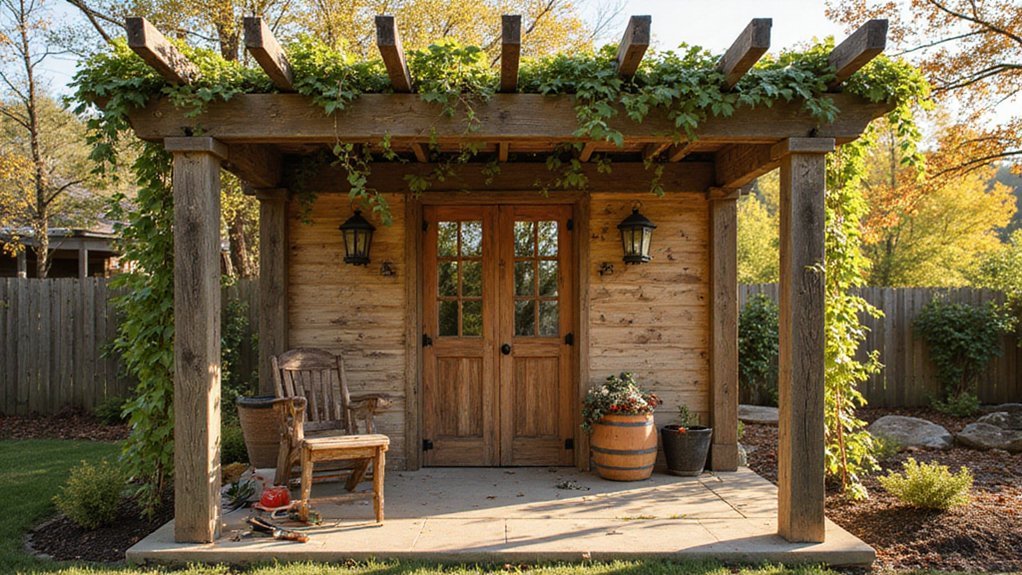
Your pergola represents a significant investment in your outdoor space, yet many homeowners overlook the seasonal maintenance required to protect it. Without a structured care plan, you’ll face preventable damage—from rotting wood to spreading rust—that compounds over time and drains your wallet. This guide walks you through practical, season-by-season steps that keep your structure sound and attractive.
Spring: Clean, Inspect, and Repair Your Pergola
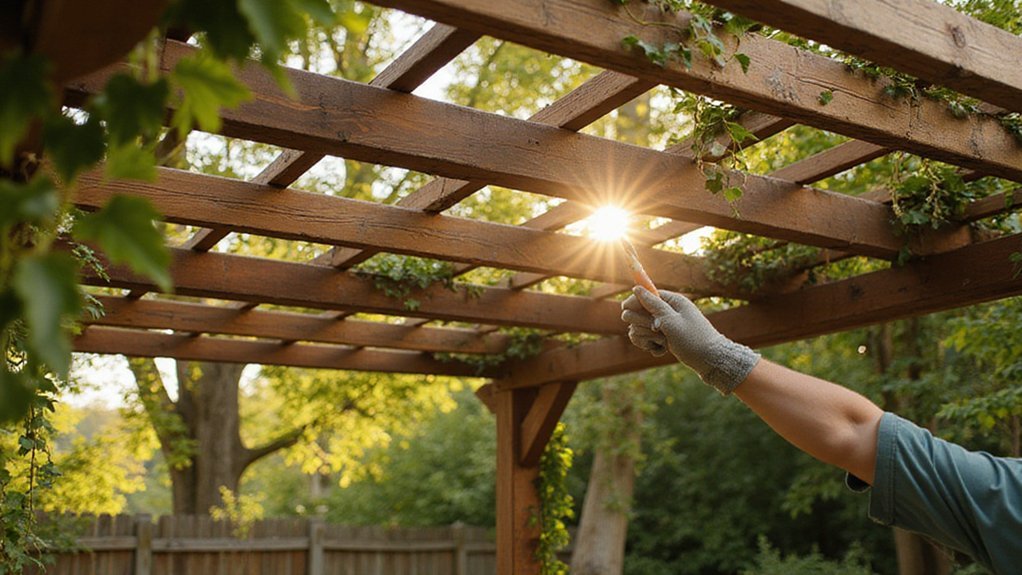
As winter weather retreats and warmer temperatures arrive, you’ll want to give your pergola a thorough cleaning and inspection to prepare it for the growing season ahead. Start by removing debris, leaves, and dirt from the structure’s surfaces and between all joints using a broom, brush, and pressure washer if available. Next, carefully examine the wood or metal for signs of damage, including cracks, rot, rust, or loose fasteners that could compromise structural integrity. Pay particular attention to areas where water collects, as moisture causes deterioration. Tighten any bolts, screws, or connections you find loose, and sand down rough spots or splinters on wooden pergolas. Address any damage immediately by replacing damaged boards, treating rot with appropriate sealants, and applying fresh protective coating or stain to weathered surfaces.
Summer: Trim Plants and Manage Growth
Once your pergola’s structure is sound and secure, you’ll need to focus on managing the plants that grow around and over it, because unchecked vegetation can become heavy, tangled, and damaging to the framework. During summer, you should trim vines and climbing plants regularly to prevent them from overtaking the pergola and blocking sunlight from reaching underneath. Use sharp pruning shears to cut back branches that extend beyond your desired shape, removing dead or diseased growth first. Check that plants aren’t wrapping too tightly around support beams, which can restrict water flow and encourage rot. Keep an eye on new growth near joints and connections, ensuring vegetation doesn’t interfere with structural integrity. Regular maintenance during these peak growing months prevents larger problems later.
Fall: Seal and Protect Wood Before Winter
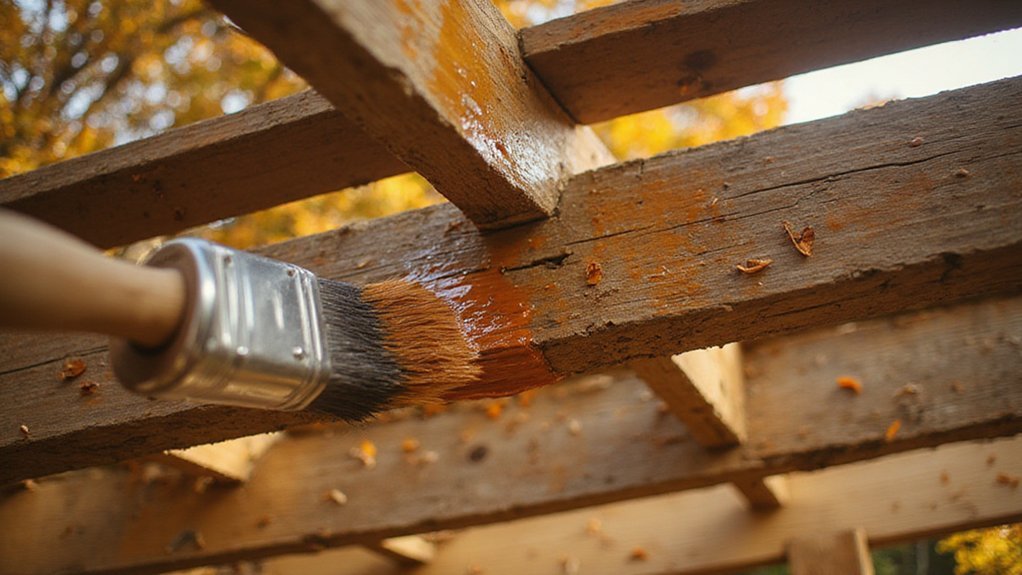
Before winter arrives and temperatures drop, you’ll want to seal and protect your pergola’s wood to prevent moisture damage, rot, and deterioration from freezing and thawing cycles. Start by cleaning your pergola thoroughly, removing dirt, debris, and any mold or mildew that’s accumulated during warmer months. Once the wood dries completely, apply a high-quality wood sealant or stain designed for outdoor use, following the manufacturer’s instructions carefully. Use a brush or roller to coat all surfaces evenly, including hard-to-reach areas between slats and joints where water collects. Pay special attention to the top of horizontal beams and any crevices where moisture can become trapped. Allow adequate drying time between coats, typically 24 to 48 hours, before applying a second coat for maximum protection.
Winter: Monitor for Damage and Clear Snow Buildup
Your sealed and protected pergola now enters its most challenging season, requiring vigilant monitoring and regular maintenance to prevent structural damage from heavy snow, ice accumulation, and harsh weather conditions. You should regularly inspect your pergola for signs of stress, including cracked beams, warped wood, or separated joints, as weight and freezing temperatures can compromise structural integrity. Clear accumulated snow from the roof and horizontal supports promptly to reduce excessive weight that weakens the framework. Use a soft brush or broom rather than sharp tools to avoid scratching your protective sealant. Check for ice dams blocking water drainage, as trapped moisture creates damaging freeze-thaw cycles. Monitor ground-level posts for water pooling, which causes rot and deterioration during winter months.
Spot and Fix Pergola Rot Before It Spreads
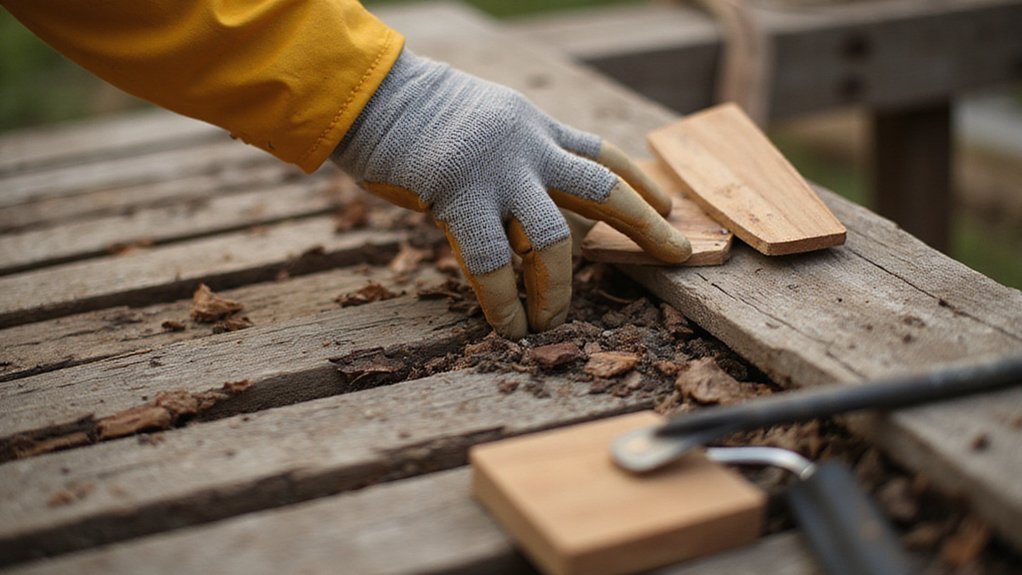
Because wood naturally absorbs moisture and undergoes repeated cycles of expansion and contraction, rot can develop quickly in areas where water collects or where the protective sealant has worn away, making early detection crucial to preventing costly structural damage. You’ll want to inspect your pergola regularly, looking for soft spots, discoloration, or wood that crumbles easily when you press it. Check joints, corners, and areas where water tends to pool. Once you’ve identified rotted sections, remove the damaged wood carefully using a chisel or saw. You can then treat the exposed wood with a fungicide and apply a wood hardener to strengthen remaining material. Finally, seal the repaired area with a high-quality wood sealant to prevent moisture from returning and causing future rot problems.
Clean Your Pergola Without Causing Damage
Regular cleaning’ll keep your pergola looking fresh and help you spot potential problems early, but you’ll need to use the right techniques to avoid damaging the wood or any finishes you’ve applied. Start by sweeping away debris like leaves and dirt that accumulate on horizontal surfaces, which trap moisture and promote rot. Use a soft-bristled brush with mild soap and water to gently scrub the wood, working in the direction of the grain to prevent splintering. Avoid pressure washers, as their force can strip protective stains or sealers and damage the wood fibers. For stubborn stains, apply a specialized wood cleaner following the manufacturer’s instructions. Rinse thoroughly with clean water and allow everything to dry completely before applying any new protective coatings or finishes.
Choose the Right Plants and Prune Them Properly
Once you’ve cleaned and maintained the structure of your pergola itself, you’ll want to focus on the plants that grow on and around it, since they’re equally important to both the appearance and health of your outdoor structure. Select climbing vines and flowering plants that thrive in your climate zone, considering sunlight, soil type, and water requirements. Prune your plants regularly during their growing season to encourage healthy growth and maintain their shape. Remove dead branches, yellowing leaves, and overgrown sections that block sunlight or create dense patches where moisture accumulates. Pruning also prevents plants from becoming too heavy, which could stress your pergola’s framework. Always use sharp, clean pruning tools to make precise cuts that heal quickly without damaging the plant tissue.
Prevent and Remove Rust on Metal Pergolas
If your pergola’s framework is made from metal, you’ll need to take specific steps to prevent rust, which occurs when iron in the metal oxidizes and creates a reddish-brown coating that weakens the structure over time. To prevent rust formation, you should apply a protective coating like paint or metal sealant every two to three years, ensuring you’ve cleaned the surface thoroughly beforehand. Inspect your pergola regularly for early signs of rust, addressing small spots immediately by scrubbing them with a wire brush and applying rust converter or rust-inhibiting primer. For stubborn rust, you’ll want to use sandpaper or a grinding tool to remove the affected area completely before repainting. Proper drainage around the pergola’s base also prevents water accumulation, which accelerates rust development.
Know When to Call a Professional for Repairs
While you can handle many pergola maintenance tasks yourself, certain situations call for professional expertise that goes beyond basic cleaning and minor repairs. You’ll want to hire a professional when you notice structural damage, such as cracked beams, rotting wood that’s deep or extensive, or wobbly support posts, as these issues compromise your pergola’s stability and safety. Additionally, if you’re dealing with severe rust that’s eaten through metal components, significant electrical wiring problems for attached lighting, or damage requiring specialized tools and skills, professionals should handle the work. Don’t attempt complex repairs that involve structural reinforcement, foundation work, or extensive replacements, as improper fixes can worsen damage and create safety hazards for you and your family.
Build Your Year-Round Pergola Maintenance Plan
Now that you understand when to bring in professionals for serious repairs, you’ll find that creating a structured maintenance schedule helps you prevent many problems before they require expert intervention. You should plan your maintenance tasks by season, addressing specific needs that each time of year demands. In spring, inspect for winter damage and clean debris from your pergola’s structure. Summer requires regular checks for pest activity and weathering. Fall calls for clearing leaves and preparing your pergola for colder months. Winter maintenance involves snow removal and checking for ice damage. By documenting these tasks in a calendar or checklist, you’ll stay organized and guarantee nothing gets overlooked. This systematic approach keeps your pergola in excellent condition year-round.
Conclusion
You’ll extend your pergola’s lifespan by years when you commit to consistent seasonal maintenance, since studies show that pergolas receiving regular upkeep last 40% longer than neglected ones. By implementing your year-round care plan—including spring inspections, summer trimming, fall sealing, and winter monitoring—you’ll catch problems early and prevent expensive damage. This methodical approach protects your investment and guarantees your outdoor structure remains sturdy and attractive for decades.