
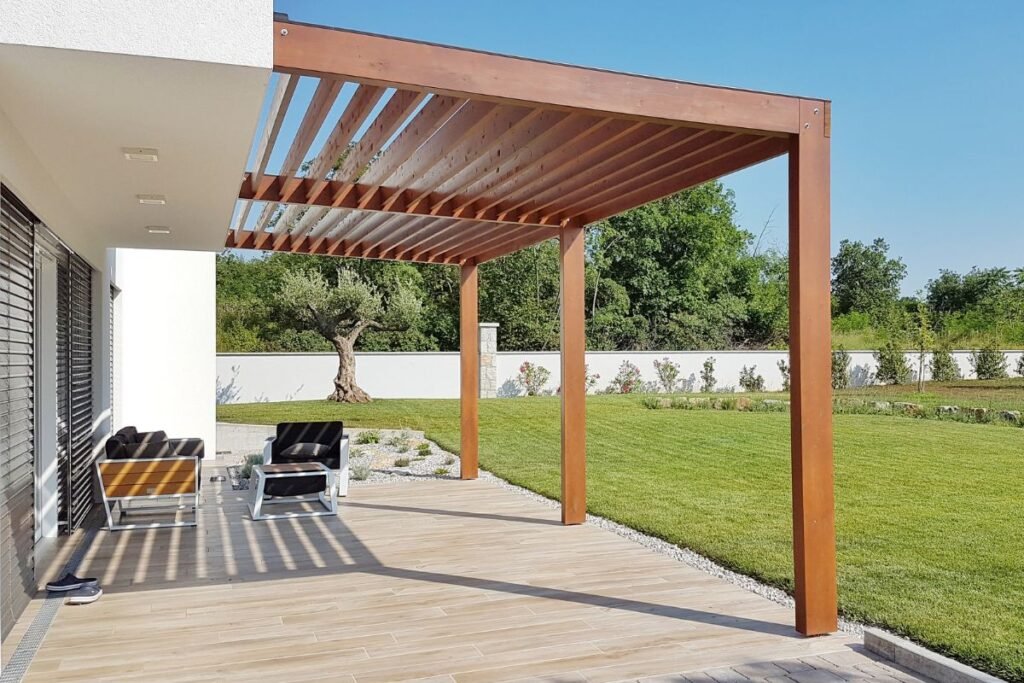
Thinking about adding a pergola often starts with a simple wish for shade, but it quickly turns into a bigger question about budget, value, and long-term use. You might remember visiting a friend’s backyard and feeling how a well-placed structure changes the entire mood of the space, making it feel more like an outdoor room than just a patch of lawn. The confusing part is that prices seem to be everywhere, from surprisingly affordable kits to custom builds that cost as much as a small renovation, and that range can make planning feel overwhelming. This guide is here to walk you through what actually shapes the cost, so you can move from vague estimates to confident decisions that fit both your lifestyle and your finances.
Typical Pergola Cost Ranges
When you look at pergola pricing, you usually see three broad tiers that reflect not just materials but also design and installation quality, and understanding these tiers helps you set realistic expectations. Entry-level pergolas often focus on simple designs and basic materials, which can be appealing if you want quick results and a lower upfront cost, but they usually come with trade-offs in durability and customization. Mid-range options tend to balance better materials with more thoughtful construction, giving you something that feels solid without pushing into luxury territory. Premium pergolas, especially custom builds or heavy timber structures, cost more because they are designed to last, look distinctive, and integrate seamlessly into your home, and that difference becomes clear when you see how they perform over time.
The wide range in pergola prices can feel frustrating until you realize how many moving parts are involved in even a simple-looking structure. Size, material, design complexity, and labor all stack together, and each one can double or halve the final number depending on your choices. You might compare two pergolas that look similar in photos but discover that one uses thinner posts, simpler connections, and minimal site prep, while the other is engineered for long-term stability and heavier loads. Location also plays a role, because labor rates, permit fees, and even material availability change from region to region. Once you see pricing as the sum of many small decisions rather than one big mystery number, it becomes much easier to control where your money actually goes.
Biggest Factors That Affect Pergola Cost
Size and Footprint
Size is one of the most straightforward cost drivers, but it affects more than just the amount of wood or metal you need. A larger footprint usually means deeper foundations, more labor hours, and sometimes additional engineering to make sure the structure stays stable in wind or snow. You might be tempted to go big right away, especially if you imagine hosting large gatherings, but it often helps to think about how you actually use your space day to day. A slightly smaller pergola that fits your routine can feel more intimate and cost-effective, while still giving you room to expand later if your needs change. In practice, choosing the right size is less about maximum coverage and more about matching the structure to your real lifestyle.
Material Choice
Material choice is where cost, appearance, and maintenance all intersect, and this is also where many homeowners start comparing options like metal, vinyl, and wood. A well-built timber pergola often sits at the center of these conversations because it combines natural beauty with structural presence, but it also comes with its own price and care considerations. Cheaper materials can lower the upfront bill, yet they may ask for more frequent repairs or replacements, which quietly shifts the long-term cost. On the other hand, higher-quality materials usually cost more at the start but reward you with better durability and a more refined look. When you think about material, it helps to imagine not just the first summer, but how the structure will feel and perform ten years from now.
When you compare materials, many homeowners end up focusing on a timber pergola USA because it balances visual warmth with real structural presence. Wood brings a sense of permanence and craftsmanship that other materials struggle to match, and that emotional appeal often plays just as big a role in the final decision as pure numbers on a budget sheet.
In mid-range and premium projects, a well-built timber pergola Canada often becomes the centerpiece of the backyard rather than just a functional shade structure. You are not only paying for materials and labor, but for a space that feels intentional, long-lasting, and integrated into how you actually use your outdoor area.
Design and Complexity
Design complexity is another factor that sneaks into the budget in ways people often underestimate. A simple, open pergola with straight lines and minimal detailing is faster to build and easier to price, while custom shapes, decorative beams, or integrated features add both time and skill requirements. You might love the idea of a unique roofline or built-in seating, but each of those ideas introduces more planning, more labor, and more potential adjustments on site. This does not mean you should avoid customization, but it does mean you should be intentional about which details truly matter to you. The best designs usually focus on a few meaningful features rather than trying to include everything at once.
Attached vs Freestanding Pergola
Whether your pergola is attached to the house or stands on its own has a real impact on both cost and construction approach. An attached pergola can sometimes save on materials because one side is supported by the existing structure, but it may require more careful planning to integrate properly with your home’s wall, roofline, and drainage. A freestanding pergola needs its own full set of supports and foundations, which can increase material and labor costs, but it also gives you more freedom in placement and design. Many homeowners choose based on how they use their yard, not just on price, and that usually leads to a more satisfying result. In the end, the right choice is the one that fits both your space and how you want to move through it.
Material Cost Breakdown
Wood Pergolas
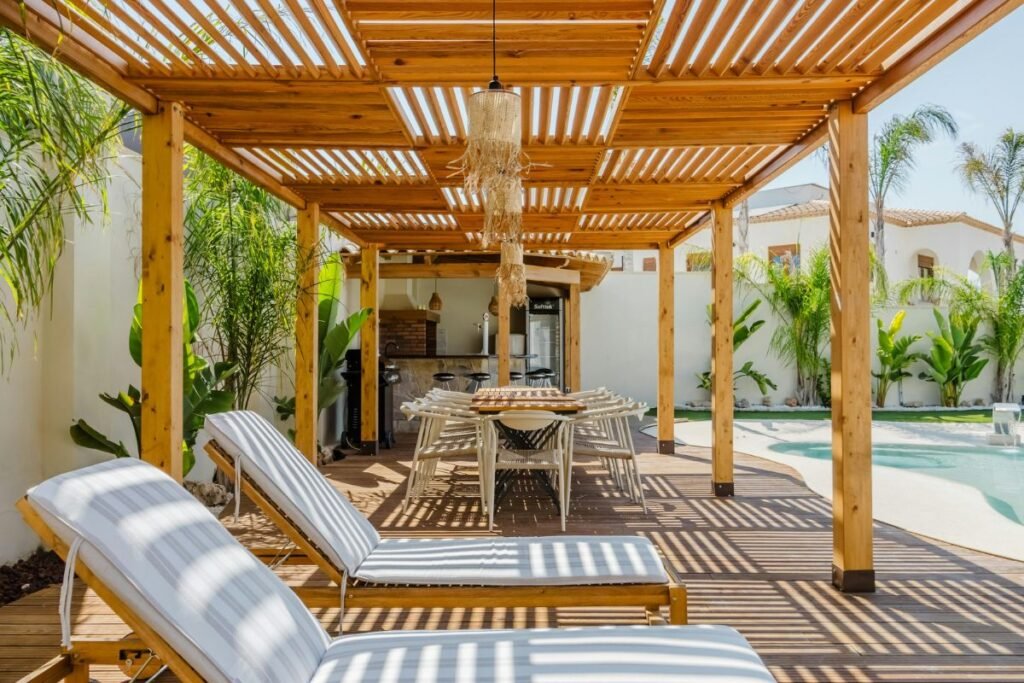
Wood remains one of the most popular choices because it feels warm, familiar, and adaptable to many home styles, but not all wood is priced or performs the same way. Pine is usually the most affordable, while cedar, redwood, and hardwoods cost more because of their natural resistance to weather and insects. The initial price difference can be noticeable, yet it often narrows over time when you consider maintenance and longevity. You might remember seeing older wooden structures that still look great decades later, and that is usually the result of good material choices paired with consistent care. When budgeting for wood, it helps to think of the purchase as both a visual and structural investment, not just a line item.
Metal Pergolas
Metal pergolas, especially aluminum and steel, appeal to homeowners who want a clean, modern look with minimal maintenance. Aluminum tends to be lighter and more resistant to rust, which makes it easier to install and maintain, while steel offers more strength but usually needs better protective coatings. The price often reflects these differences, with steel structures typically costing more due to weight, fabrication, and installation demands. You may find that metal options are more predictable in terms of long-term upkeep, but they can feel less warm or customizable than wood. Choosing metal is often about prioritizing consistency and low maintenance over the natural character of timber.
Vinyl and Composite Pergolas
Vinyl and composite pergolas sit in an interesting middle ground, offering a balance between appearance and low maintenance that appeals to many busy homeowners. These materials usually cost more than basic wood upfront, but they promise fewer headaches when it comes to painting, sealing, or dealing with rot. The trade-off is that they can feel more manufactured, and customization options are often limited to what the manufacturer offers. You might appreciate the predictability of this route if your schedule is tight and you want a structure that stays looking the same year after year. In cost terms, you are often paying for convenience and consistency rather than for raw material quality alone.
Labor and Installation Costs
DIY vs Professional Installation
Deciding whether to build a pergola yourself or hire professionals is one of the biggest forks in the road for your budget. DIY can save money on paper, but it also assumes you have the tools, time, and skills to handle everything from layout to foundations and finishing. Many homeowners start with enthusiasm and then realize halfway through that small mistakes can become expensive or even unsafe if not corrected. Professional installation costs more, but it usually buys you speed, accuracy, and accountability, which can be worth a lot if your time is limited. The real comparison is not just dollars spent, but stress avoided and results you can trust.
What Installation Usually Includes
Installation is more than just putting posts in the ground and attaching beams, even if that is how it sometimes looks from a distance. A proper job usually includes site assessment, layout, foundation work, assembly, and finishing touches like sealing or painting. Each of these steps takes time and expertise, and skipping any of them can shorten the life of the structure or cause problems later. You might not see this work once the pergola is finished, but you will feel the difference in how stable and solid it is. Understanding what goes into installation helps explain why labor costs are such a significant part of the total budget.
How Location Affects Labor Costs
Where you live plays a surprisingly large role in how much you pay for labor, even for the same basic pergola design. Urban areas often have higher rates due to demand and overhead, while rural areas may have fewer available contractors, which can also push prices up. Local building codes and inspection requirements can add time and complexity, which shows up in the final quote. You might notice that two friends in different regions paid very different amounts for similar projects, and this is usually why. Factoring in local conditions early helps you avoid unrealistic expectations and plan more accurately.
Foundation and Site Preparation Costs
Concrete Footings vs Pavers vs Deck Mounting
The way your pergola meets the ground is not just a technical detail, it is a major part of both cost and long-term performance. Concrete footings are often the most stable and durable option, but they also involve more labor, materials, and sometimes inspections. Pavers or deck mounting can be less expensive and faster, yet they rely heavily on the condition of the existing surface and may not be suitable for heavier structures. You might be tempted to choose the cheapest base, but this is one area where cutting corners can lead to movement or settling later. A solid foundation is less visible, but it is what quietly supports everything above it.
Ground Leveling and Site Work
Site preparation is one of those costs that surprises people because it is easy to overlook when you focus on the structure itself. Uneven ground, poor drainage, or limited access can all add time and equipment needs before construction even begins. You might remember a past project where the real work happened before anything visible was built, and this is a similar situation. Proper leveling and preparation make the build smoother and protect your investment from future issues like shifting or water damage. Including this in your budget from the start helps you avoid unpleasant surprises halfway through the project.
Roof and Shade Options: How They Change the Price
Open Slats vs Solid Roof
The choice between open slats and a solid roof changes both how your pergola feels and how much it costs. Open slats are usually cheaper and quicker to build, and they let in light and air, but they offer limited protection from rain and strong sun. A solid roof adds materials, labor, and sometimes structural requirements, yet it also turns the pergola into a more reliable, all-weather space. Many homeowners start with an open design and later wish they had chosen more coverage, which can be expensive to retrofit. Thinking about how you want to use the space in different seasons helps you choose wisely from the beginning.
Polycarbonate, Metal, or Shingle Roofs
If you decide on a solid roof, the material you choose becomes another cost and performance decision. Polycarbonate panels are lighter and let in some light, but they can feel less substantial and may show wear over time. Metal roofing is durable and modern-looking, though it can change the sound and temperature of the space in noticeable ways. Shingle roofs often match the house and look more integrated, but they usually require more structural support and labor. Each option shifts the budget in a different direction, so it helps to balance appearance, comfort, and long-term maintenance.
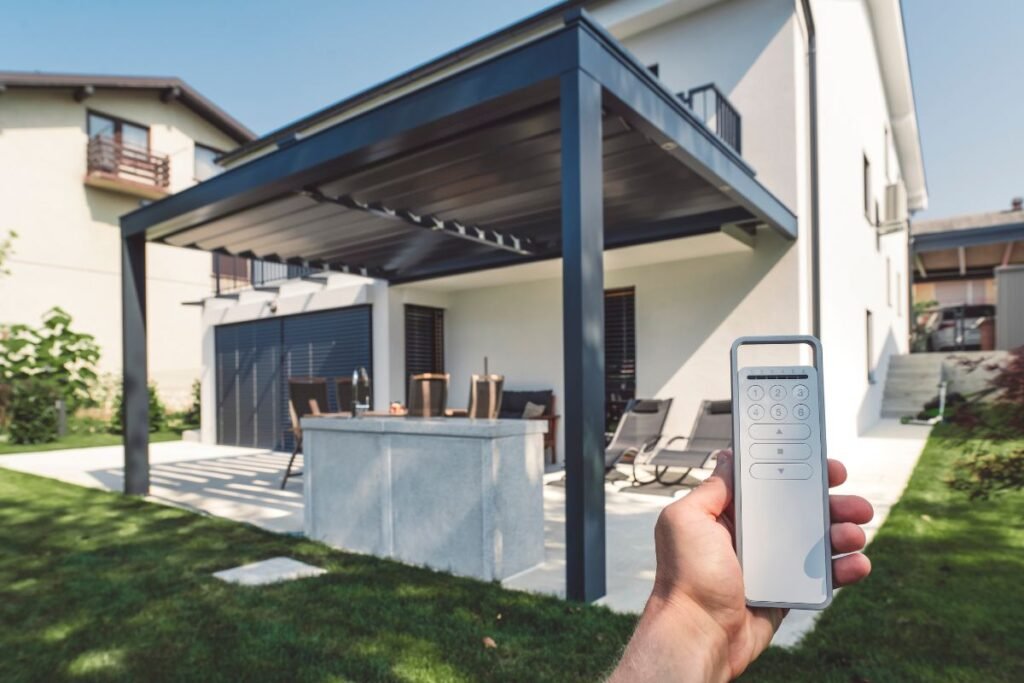
Retractable Canopies and Shade Systems
Retractable canopies and shade systems offer flexibility, which is appealing if you want both sun and shade at different times of day. These systems add mechanical parts and installation complexity, which increases cost compared to fixed solutions. You are essentially paying for adaptability and convenience, and for many people that trade-off is worth it. The key is to think about how often you will actually use that flexibility, because a feature you rarely adjust may not justify its price. When chosen thoughtfully, these systems can make a pergola feel much more versatile.
Extra Features That Increase Pergola Cost
Lighting, Fans, and Electrical Work
Adding lighting, fans, or outlets turns a pergola from a daytime feature into a space you can enjoy in the evening, but it also introduces electrical work into the project. Electrical installations usually require permits, inspections, and a qualified professional, which all add to the cost. You might remember how even small electrical upgrades inside a home can add up, and the same principle applies outdoors. The benefit is that these features dramatically increase how often and how comfortably you use the space. In many cases, the added cost feels justified once you experience the difference in everyday use.
Privacy Screens, Curtains, and Enclosures
Privacy and enclosure features change the feeling of a pergola from open and airy to more sheltered and intimate. Screens, curtains, or partial walls add material and installation costs, but they also extend the usability of the space in wind or cooler weather. You might value this more if your yard is close to neighbors or if you want a quieter, more contained area for relaxing. These additions also make the structure feel more like a true outdoor room rather than just a cover. As with many upgrades, the real question is how much these changes improve your daily experience.
Built-In Seating, Planters, or Outdoor Kitchens
Custom features like built-in seating, planters, or even an outdoor kitchen can push a pergola project into a much higher budget category. These elements require more design work, more materials, and often coordination between different trades. You might love the idea of everything being perfectly integrated, but it is worth remembering that each built-in feature reduces flexibility and increases cost. Some homeowners prefer to start with a simpler structure and add furniture or accessories over time instead. This approach can spread out expenses and let you adapt the space as you learn how you really use it.
Permits, Regulations, and Inspection Fees
When You Need a Permit
Permit requirements vary widely, but many areas require one once a pergola reaches a certain size or becomes a permanent structure. You might be surprised to learn that even something that looks simple can fall under building regulations, especially if it is attached to the house or has a solid roof. Skipping permits can lead to fines, delays, or problems when you sell your home, which turns a small saving into a big headache. Checking local rules early is not exciting, but it is one of the smartest budgeting steps you can take. It also gives you a clearer picture of what is realistically allowed on your property.
Typical Permit and Inspection Costs
Permit and inspection fees are usually a smaller part of the total budget, but they still deserve a place in your planning. These costs can include application fees, review fees, and sometimes multiple inspections during or after construction. You might see them as just another line item, yet they are really about ensuring the structure is safe and compliant. In many cases, these fees also protect you by creating a record that the work was done properly. Including them upfront keeps your budget honest and prevents last-minute surprises.
Ongoing Costs: Maintenance and Long-Term Value
Maintenance Costs by Material
Maintenance is where the true long-term cost of a pergola becomes clear, and it varies greatly by material. Wood usually needs periodic cleaning, sealing, or staining, while metal and vinyl options focus more on cleaning and checking for wear or corrosion. You might not mind a yearly maintenance routine, especially if you enjoy taking care of your home, but it is still time and money that should be part of the calculation. Ignoring maintenance often leads to bigger repair bills later, which changes the overall cost picture. Thinking about upkeep as part of ownership, not as an afterthought, leads to more satisfying results.
Repair and Replacement Over Time
No structure is completely maintenance-free, and even the best-built pergolas will eventually need some repairs or updates. The difference is how often and how serious those repairs are, which depends heavily on initial material and construction choices. Cheaper builds may need parts replaced sooner, while higher-quality structures often go many years with only minor attention. You might think of this like buying tools or appliances, where quality upfront usually means fewer problems later. Over the life of the pergola, these patterns can easily outweigh the initial price difference.
Sample Cost Scenarios
Budget Pergola Example
A budget pergola scenario usually involves a smaller size, basic materials, and a straightforward design, often installed as a DIY or with minimal professional help. This approach can work well if you want to test how you use the space or if your budget is tight, but it comes with limits in terms of durability and features. You might enjoy the quick transformation of your yard, yet also notice that the structure feels more temporary. For some homeowners, that is perfectly fine, especially if they see it as a stepping stone rather than a final solution. The key is to match expectations to reality so the result feels like a success rather than a compromise.
Mid-Range Pergola Example
A mid-range pergola often represents the sweet spot between cost and quality, combining better materials with professional installation and a few thoughtful upgrades. This is where many people start to feel that the structure truly becomes part of their home rather than just an accessory. You might choose cedar or a similar material, add some lighting, and invest in a solid foundation, creating a space that works for both everyday use and gatherings. The price is higher than a basic build, but so is the sense of permanence and comfort. For many homeowners, this level offers the best balance of value and enjoyment.
Premium Pergola Example
A premium pergola usually means custom design, high-end materials, and features that turn the space into a true outdoor living area. This could include a solid roof, integrated lighting and heating, and architectural details that match the house perfectly. The cost is higher, but so is the feeling that the structure is a long-term investment rather than a short-term upgrade. You might compare this to adding a room to your home, because the impact on how you use your space can be just as significant. For those who spend a lot of time outdoors, this level often feels worth every dollar.
How to Budget for Your Pergola Project
Setting Priorities
Budgeting becomes much easier when you decide what matters most to you before you start collecting quotes. You might care more about durability than about decorative details, or you might value comfort features like lighting and shade above everything else. Writing these priorities down can help you say no to upgrades that look nice but do not actually improve your daily experience. This approach also makes conversations with contractors more productive, because you can focus on what truly fits your goals. In many cases, a clear sense of priorities leads to a better result even with a limited budget.
Getting Quotes and Comparing Offers
Getting multiple quotes is not just about finding the lowest price, it is about understanding what you are actually being offered. Two quotes can look similar on the surface while hiding big differences in materials, preparation, or workmanship. You might notice that one contractor spends more time explaining the process, which often reflects a more thorough approach. Comparing offers side by side helps you see where money is being saved or spent, and whether that aligns with your priorities. This step takes time, but it is one of the best ways to protect both your budget and your peace of mind.
Avoiding Common Budget Mistakes
Common budgeting mistakes usually come from underestimating hidden costs like site prep, permits, or future maintenance. It is easy to focus on the headline number and forget about everything that supports it, especially when you are excited about the project. Another mistake is changing the plan too often during construction, which almost always increases costs. Sticking to a well-thought-out design and a realistic budget reduces stress and keeps the project on track. In the long run, careful planning is what turns a big purchase into a satisfying investment.
Where to Find Reliable Pergola Solutions
Once you have a clear idea of your budget, priorities, and design preferences, the next step is finding a supplier you can actually trust. This is where experience and consistency matter more than flashy promises, because a pergola is a long-term addition to your home, not a short-term purchase. Homeowners in the United States often explore options through norweh.com, while those in Canada usually look at norweh.ca, and it is worth knowing that both sites are owned by the same company and follow the same standards of quality and design. The difference is not in the philosophy, but in how products and specifications are adapted to local climates, building rules, and expectations.
Looking at both platforms can help you understand how the same construction approach is tailored for different environments, which makes it easier to focus on what really matters, such as size, materials, and features. Instead of guessing whether a structure will hold up in your conditions, you are seeing solutions designed with those conditions in mind. That kind of clarity removes a lot of uncertainty from the buying process and helps you make a decision based on fit rather than hype. In the end, choosing a reliable source is just as important as choosing the right design, because both shape how satisfied you will be with the result years down the line.
Is a Pergola Worth the Cost?
Deciding whether a pergola is worth the cost depends on how you value your outdoor space and how often you plan to use it. For many homeowners, the answer becomes clear once they experience how the structure changes their daily routines and social gatherings. A well-designed pergola can make your yard feel larger, more comfortable, and more inviting, which is hard to measure in purely financial terms. You might find yourself spending more time outside simply because the space feels better defined and more usable. When you look at both lifestyle benefits and potential property value, the investment often feels more reasonable than it first appears.
FAQs
How much does a pergola usually cost?
Costs vary widely, but most homeowners fall into budget, mid-range, or premium tiers depending on size, materials, and features.
Is a wood pergola more expensive than metal?
It can be, depending on the wood type and design, but long-term value and maintenance also matter.
Can I build a pergola myself to save money?
Yes, but only if you have the skills and tools, and you accept the risks of mistakes or code issues.
Do pergolas require permits?
Often yes, especially for larger or permanent structures, so always check local rules first.
What adds the most to pergola cost?
Size, material choice, roof type, and custom features usually have the biggest impact.
Conclusion
The cost of a pergola is not just a single number, but the result of many choices about size, material, design, and features. When you understand these factors, you move from guessing to planning, and that shift makes the entire project less stressful and more rewarding. A pergola is ultimately about how you want to live in and use your outdoor space, not just about what you want it to look like. By balancing upfront cost with long-term value, you give yourself the best chance of ending up with something you truly enjoy. In that sense, smart budgeting is really about creating a space that fits your life.