
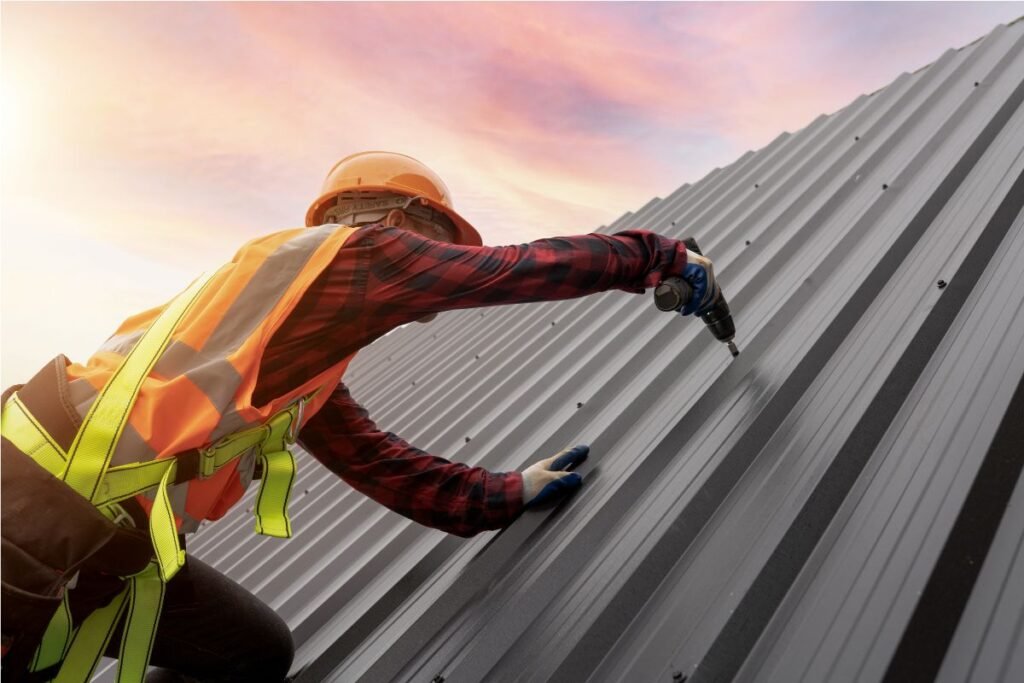
If you live in a coastal or hurricane-prone region, the strength of your roof is not just a structural concern, it is personal. When storm warnings appear and winds begin to rise, you think about the safety of your family and the protection of everything inside your home. Many homeowners ask whether metal roofing can truly withstand hurricane-force winds or if it is simply another marketing promise. With storms becoming more intense in recent years, understanding how different roofing materials perform under extreme conditions feels more urgent than ever. By examining wind ratings, installation quality, and real-world performance, you can make a confident decision about whether metal roofing provides the resilience your home requires.
How Hurricanes Damage Roofs
High Wind Uplift Forces
Hurricanes generate powerful uplift forces that attempt to pull roofing materials away from the structure. As wind moves across the roof surface, it creates pressure differences that lift shingles, panels, or tiles if they are not securely fastened. Once a small section fails, wind can penetrate beneath the material and cause progressive damage. You may have seen homes where entire sections of roofing were torn away, leaving interiors exposed to rain and debris. Understanding this uplift mechanism explains why fastening systems and panel design matter so much in hurricane resistance.
Flying Debris Impact
In addition to wind pressure, hurricanes bring airborne debris that can strike roofing materials at high speeds. Branches, loose construction materials, and other projectiles become dangerous during storms. Impact resistance plays a significant role in determining how well a roof withstands these collisions. While no material is completely immune to severe impact, some roofing systems are engineered to resist punctures and surface damage better than others. Evaluating debris resistance helps you assess real-world storm performance rather than theoretical wind ratings alone.
Heavy Rain and Water Intrusion
Hurricanes are not just wind events; they also bring intense rainfall that tests every seam and flashing detail. Water intrusion often causes more interior damage than structural failure itself. If roofing materials lift even slightly, rain can enter quickly and spread beneath the surface. Proper sealing, interlocking panels, and high-quality underlayment reduce the risk of leaks during sustained storms. A roof that remains watertight under heavy rainfall provides significant protection during hurricane conditions.
What Makes Metal Roofing Hurricane-Resistant?
Wind Resistance Ratings
One of the primary reasons homeowners consider metal roofing in hurricane zones is its high wind resistance rating. Many metal roofing systems are tested to withstand winds between 140 and 180 miles per hour, depending on the design and installation method. These ratings often meet or exceed building code requirements in storm-prone states. You should always verify product certifications and compliance with local standards. Wind-tested systems offer measurable reassurance during severe weather events.
Interlocking Panel Systems
Standing seam metal roofing uses interlocking panels that create continuous, secure connections across the roof surface. Unlike individual shingles, which rely on adhesive strips and nails, metal panels lock together mechanically. This design reduces the risk of individual sections lifting under wind pressure. Concealed fasteners further enhance stability by minimizing exposed attachment points. Interlocking systems contribute significantly to hurricane resilience.
Lightweight Yet Strong Material
Metal roofing materials such as steel and aluminum provide strength without excessive weight. This balance reduces structural stress on the home while maintaining high impact resistance. Lightweight panels also minimize the force exerted on fasteners during uplift. Steel offers exceptional strength, while aluminum provides added corrosion resistance in coastal environments. Material selection influences both durability and longevity.
Secure Fastening Systems
Fastener spacing and clip systems play a critical role in storm performance. Properly spaced screws or concealed clips anchor panels firmly to the roof deck. If fasteners are improperly installed or spaced too widely, even strong panels may fail. Professional installation ensures correct alignment and secure attachment. Fastening precision determines structural integrity.
Metal Roofing vs Shingles in Hurricanes
Wind Performance Comparison
Traditional asphalt shingles can lift individually under strong wind pressure, particularly if they age or deteriorate. Once one shingle detaches, neighboring sections often follow. Metal roofing, with its interlocking design, resists this domino effect more effectively. Continuous panels distribute wind forces evenly across the surface. This structural difference explains why metal roofs often remain intact when shingle roofs suffer damage.
Water Resistance Comparison
Shingles depend on overlapping layers to prevent water intrusion, which can become vulnerable under extreme conditions. Metal panels form larger continuous barriers with fewer seams. Proper flashing and underlayment enhance this protection. Reduced seam exposure lowers leak risk. Water resistance is a critical advantage during heavy storms.
Post-Storm Damage Frequency
After hurricanes, many inspection reports show fewer failures in properly installed metal roofs compared to shingle systems. While cosmetic dents may occur, structural integrity often remains intact. Shingle roofs frequently require partial or complete replacement following major storms. Durability reduces long-term repair costs. Performance data supports metal roofing’s resilience.
Insurance Considerations
In some regions, insurance providers offer discounts for impact-rated metal roofing systems. These incentives reflect the reduced claim frequency associated with durable roofing materials. You should consult your provider to confirm eligibility. Lower insurance premiums can offset installation costs over time. Financial benefits complement structural advantages.
Best Types of Metal Roofing for Hurricane Zones
Standing Seam Metal Roofing
Standing seam systems are widely considered the most hurricane-resistant metal roofing option. Their concealed fasteners and interlocking seams provide enhanced wind stability. Panels are often custom-fitted to roof dimensions, reducing weak points. This design minimizes uplift risk significantly. Standing seam remains a top choice in coastal areas.
Corrugated Metal Panels
Corrugated panels can perform well when properly installed with adequate fastener density. Their ridged design adds structural strength, though exposed fasteners require careful maintenance. These systems are often more affordable. Quality installation determines reliability. Cost-effective options still require professional expertise.
Stone-Coated Steel
Stone-coated steel combines metal strength with the appearance of traditional shingles. It offers impact resistance and wind performance comparable to other metal systems. This option appeals to homeowners who prefer a conventional aesthetic. Strength does not require sacrificing style. Performance remains competitive.
Aluminum Roofing for Coastal Areas
Aluminum resists corrosion caused by salt air, making it ideal for coastal hurricane zones. While slightly softer than steel, it performs well against wind forces. Corrosion resistance extends lifespan significantly. Coastal climates demand specialized material choices. Aluminum meets those environmental challenges effectively.
Importance of Proper Installation
Fastener Placement and Spacing
Incorrect fastener placement can compromise even the strongest roofing material. Installers must follow manufacturer guidelines precisely. Proper spacing distributes wind load evenly. Attention to detail prevents premature failure. Installation quality is as important as material strength.
Edge and Ridge Reinforcement
Edges and ridges experience the highest wind uplift pressure during storms. Reinforcement in these areas reduces vulnerability. Additional clips and secure flashing enhance stability. Focusing on critical zones improves overall performance. Reinforced edges provide added protection.
Underlayment and Water Barriers
High-quality underlayment acts as a secondary defense against water intrusion. Ice and water shields in vulnerable zones add further security. This layered protection prevents leaks if panels shift slightly. Water barriers complement wind resistance. A multi-layer system enhances durability.
Why Certified Contractors Matter
Hiring experienced and certified contractors ensures adherence to manufacturer standards and local codes. Skilled professionals understand wind ratings and fastening requirements. Poor installation undermines even premium materials. Contractor selection influences storm resilience directly. Expertise protects your investment.
Are There Any Weaknesses?
Improper Installation Risks
The greatest weakness in metal roofing systems often stems from incorrect installation rather than material flaws. Inadequate fastening or poor alignment can create vulnerability. Choosing reputable installers mitigates this risk. Installation precision determines performance.
Poor-Quality Materials
Low-grade metal panels may lack proper coating or structural thickness. Inferior materials reduce wind resistance and durability. Selecting certified products prevents premature failure. Material quality influences lifespan significantly.
Structural Framing Limitations
Even the strongest roof depends on a stable underlying structure. If roof decking or framing is compromised, performance suffers. Structural integrity must support roofing materials. Comprehensive evaluation ensures full resilience.
Is Metal Roofing Worth It in Hurricane-Prone Areas?
Long-Term Cost Savings
Although metal roofing may have a higher upfront cost, reduced storm damage lowers long-term repair expenses. Durability translates into fewer replacements. Investing once often proves more economical than repeated repairs. Financial value extends beyond installation.
Insurance Benefits
Potential insurance discounts and fewer claims contribute to cost efficiency. Risk reduction benefits homeowners financially. Consultation with insurers clarifies savings opportunities. Economic advantages complement structural strength.
Peace of Mind
Knowing your roof can withstand hurricane-force winds offers emotional reassurance. During storm season, confidence replaces anxiety. Structural security protects both property and loved ones. Peace of mind is invaluable.
FAQs
What wind speed can metal roofing withstand?
Many systems withstand 140–180 mph when properly installed.
Does metal roofing reduce hurricane damage?
Yes, it often reduces structural and water damage compared to shingles.
Is metal roofing approved in Florida?
Many metal systems meet Florida Building Code standards.
Can debris dent metal roofs?
Yes, cosmetic dents may occur, but structural integrity often remains intact.
Is metal roofing safer than shingles in hurricanes?
Generally yes, due to superior wind resistance and interlocking design.
Final Verdict
Metal roofing, when properly selected and professionally installed, can withstand hurricane-force winds and severe weather conditions. High wind ratings, interlocking panel systems, and reinforced fastening contribute to superior performance compared to many traditional materials. While no roof is invincible, metal roofing consistently demonstrates resilience in storm-prone regions. Installation quality and material selection remain critical. With careful planning, metal roofing offers strong protection during hurricanes.